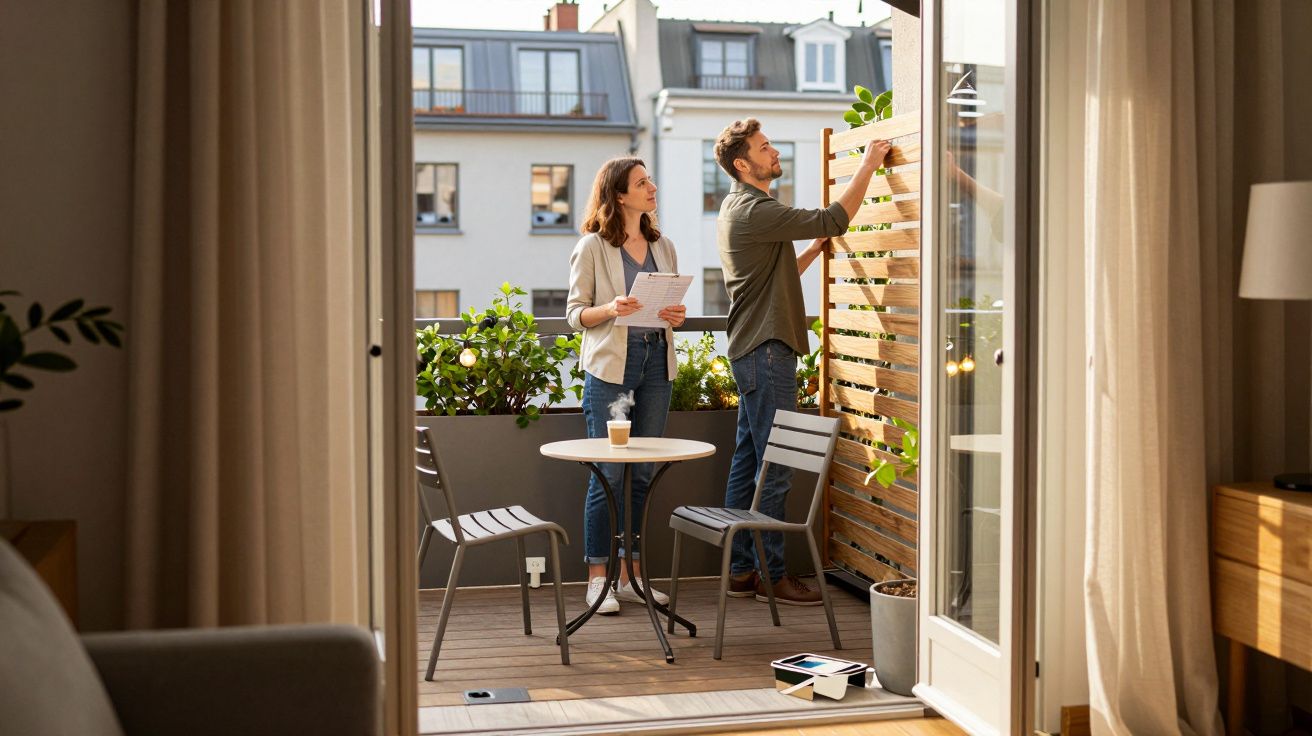
Outdoor space transformation is suddenly at the top of the shopping list for property investors, not as a lifestyle extra but as a value lever they can price, measure and market. In the coming years, the homes that let people step outside-without leaving their own front door-are likely to rent faster, hold tenants longer and feel safer against downturns. If you own, buy, or renovate, the shift matters because it changes what counts as “good spec” and where the next premiums will sit.
There’s also a practical reason this obsession is spreading: outdoor upgrades are one of the few improvements that can change a viewing in minutes, photograph well, and avoid the mess and uncertainty of major internal reconfiguration. A balcony, terrace, usable garden or roof space is becoming less “nice to have” and more “baseline”, especially in dense towns and commuter belts.
What changed: outdoor space stopped being a luxury and became a filter
A few years ago, outdoor space was something buyers would compromise on if the kitchen was new or the station was close. Now it’s a hard filter in many searches, particularly for renters who work from home part‑time, have children, or simply don’t want to rely on crowded public space for fresh air.
You can see it in how viewings happen. People don’t just glance at the garden; they ask whether it gets sun, whether it’s overlooked, and whether there’s power for lighting or a laptop. They’re mentally converting square metres into “how would I live here on a Tuesday”.
The new hierarchy: “private, usable, low‑maintenance”
Not all outdoor space is equal. Investors have learnt that a strip of grass you can’t sit on doesn’t compete with a small terrace that works like an extra room for six months a year.
The hierarchy tends to look like this:
- Private and directly accessible (patio off the kitchen, balcony off the living room) beats “communal”.
- Usable (flat, drained, somewhere to sit) beats “present” (a token Juliet balcony).
- Low‑maintenance beats “high romance” (a garden that becomes a weekend job).
Why investors like it: it’s one of the few upgrades tenants will pay for
A new bathroom is expensive and, once done, it’s quickly “just normal”. Outdoor space feels different because it changes behaviour: morning coffee outside, a child’s play area, a place to dry laundry, a buffer from neighbours.
That behavioural change is why outdoor space can support higher rents without needing luxury finishes inside. It also helps reduce voids. When tenants shortlist five similar flats, the one with a balcony becomes the default “yes”, even if the internal décor is merely decent.
The coming years: regulation, climate and running costs push people outside
This isn’t only about taste. The next few years are likely to bring more heatwave summers, more scrutiny of damp and ventilation, and continued pressure on energy costs. Outdoor space doesn’t solve those problems directly, but it makes homes feel less trapped when indoor comfort is hard to control.
A shaded terrace, external blinds, a pergola, even planting that cuts glare can make a property feel calmer in hot spells. Investors don’t need to sell a climate thesis to a tenant; they just need the viewing to feel good on a warm day.
The “livability premium” shows up in small details
Outdoor space transformation isn’t only about adding square metres. It’s about turning awkward exterior areas into something that reads as intentional.
Small details that tend to pay back because they reduce objections:
- Lighting (warm, low‑glare) so the space works after 5pm.
- Power (outdoor socket) for laptops, speakers, tools.
- Privacy (slatted screens, planters, trellis) without turning it into a bunker.
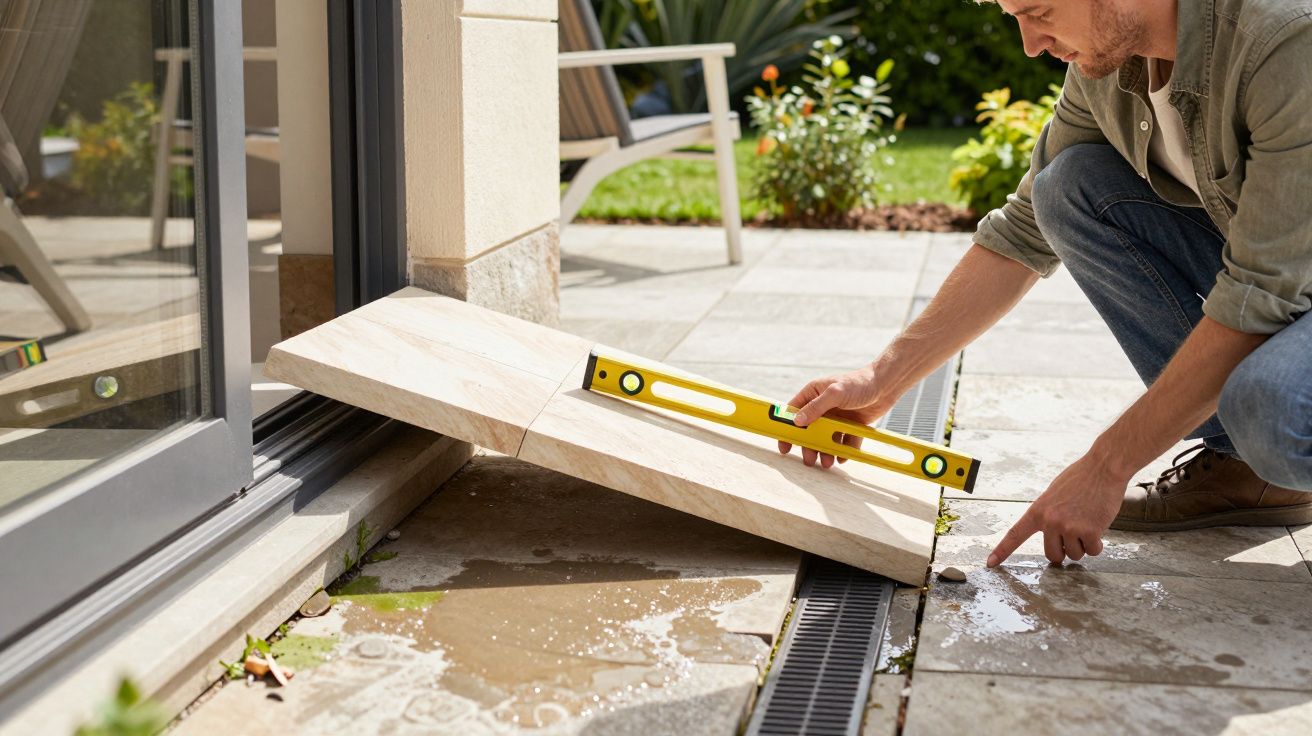
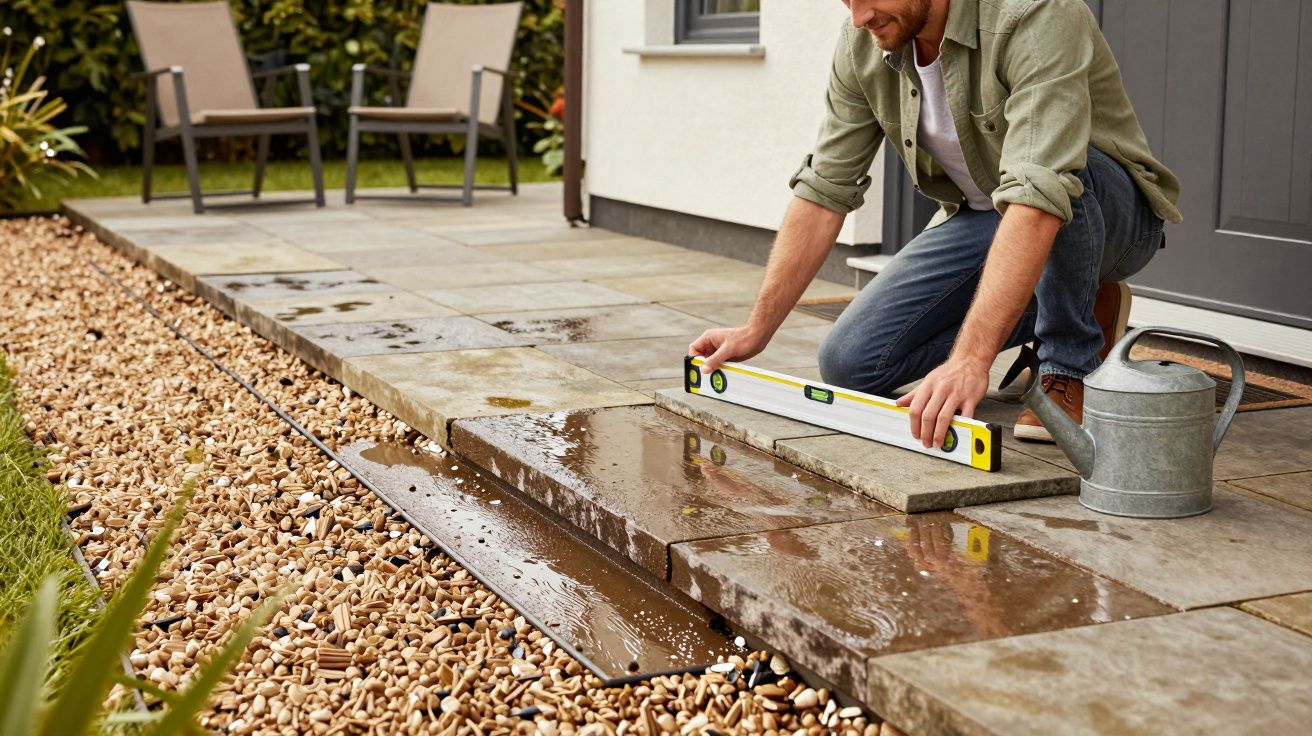
- Drainage and surfaces that don’t puddle, wobble or go green.
- Secure storage for bikes, prams or garden items.
What “outdoor space transformation” actually looks like on an investor’s budget
The mistake is thinking you need a landscaped showgarden. Most investors are doing targeted, photograph-friendly work that makes the space usable and easy to maintain.
Typical moves include:
- Converting a messy yard into a paved courtyard with seating and planting.
- Turning a dead side return into a small terrace zone with bin storage screened off.
- Adding French doors or widening an opening to create a stronger inside‑outside link.
- Upgrading fencing and gates to signal security and privacy from the first step outside.
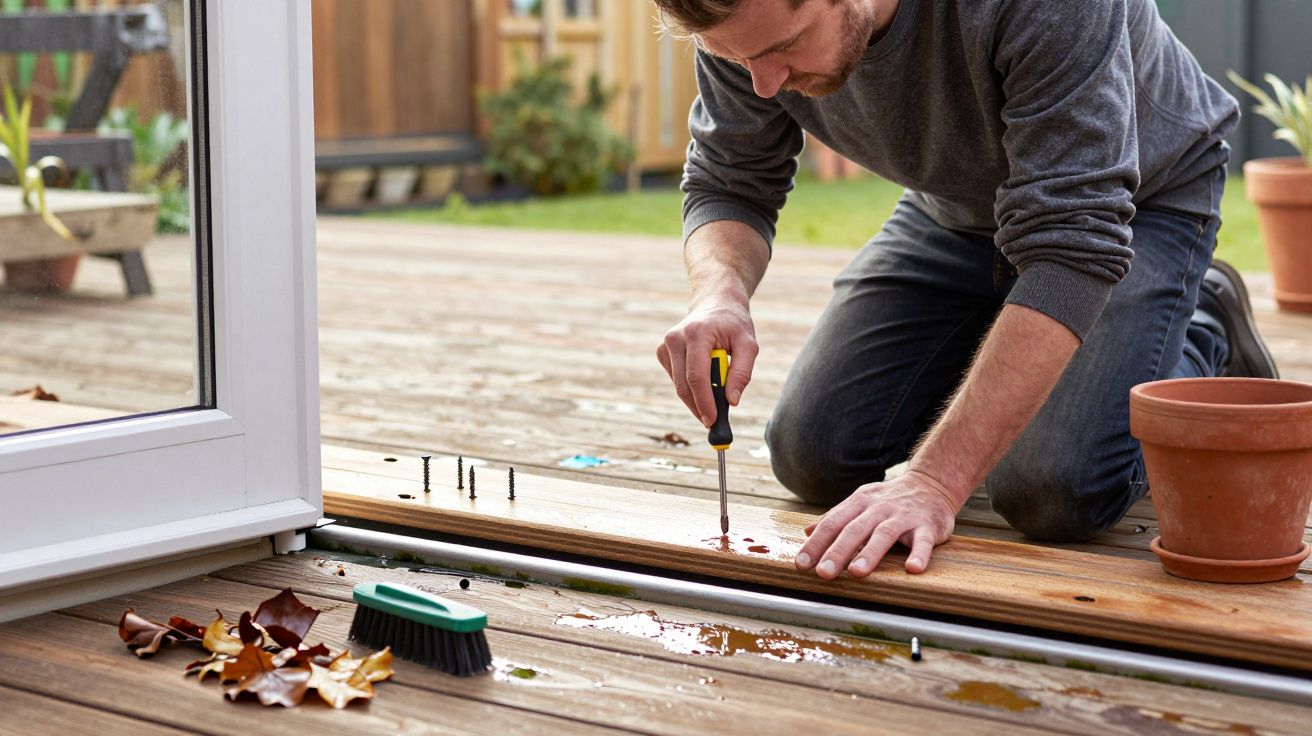
- Building a simple decked platform to level a sloped or awkward garden section.
A quick reality check: the space has to “read” as a room
If a tenant can’t immediately see where the table goes, it won’t feel like an extra room. Investors who win here stage the space lightly: two chairs, a small table, a pot plant, and clear sightlines. It’s not about Instagram; it’s about removing ambiguity.
Where the best returns tend to be: not the biggest gardens, the most usable ones
In many markets, the best uplift isn’t in doubling the size of the garden, but in making a modest space feel dependable. A small, sunny, private terrace can outperform a large, overlooked lawn that feels like a public park.
A simple way to think about it is “friction”. Every bit of friction-mud, maintenance, lack of privacy, awkward access-cuts the premium that outdoor space can command.
| Outdoor feature | What renters/buyers read into it | Why investors care |
|---|---|---|
| Direct access from living space | “I’ll actually use this” | Faster decisions at viewings |
| Privacy screening | “I can relax here” | Fewer objections, better photos |
| Low-maintenance surfaces | “This won’t become work” | Lower tenant churn and complaints |
Risks investors are learning to price in
The obsession has also made people more cautious. Not all outdoor projects are straightforward, especially in flats and period conversions.
Common trip‑wires include:
- Lease restrictions on balconies, decking, or external alterations.
- Planning and neighbour issues, particularly with roof terraces and raised platforms.
- Waterproofing and drainage failures that turn a value add into a liability.
- Safety (rail heights, slip resistance, lighting) that affects insurability and letting standards.
None of these are deal-breakers, but they change the maths. The best investors treat outside space like a building element, not a decorative afterthought.
What to do if you’re buying now
If you’re trying to ride this shift rather than chase it, focus on properties where outdoor space already exists but is underperforming. That’s where transformation creates the clearest gap between purchase price and “finished” value.
A pragmatic checklist for viewings:
- Can you access the space easily, or does it require a trek through a bedroom?
- Is it overlooked, and can you improve privacy without starting a war with neighbours?
- Does it get usable light, and is there shelter from wind?
- Is there obvious damp, pooling, or crumbling brickwork that signals bigger spend?
- Is the space legally yours (title/lease), and what are you actually allowed to change?
Outdoor space transformation has become an investor fixation because it’s both emotional and measurable: it changes how a home feels, while also changing how quickly it lets and at what price. In the coming years, that combination is likely to stay powerful-especially in tight urban markets where stepping outside is the new marker of “quality”, not “luxury”.



Comments (0)
No comments yet. Be the first to comment!
Leave a Comment