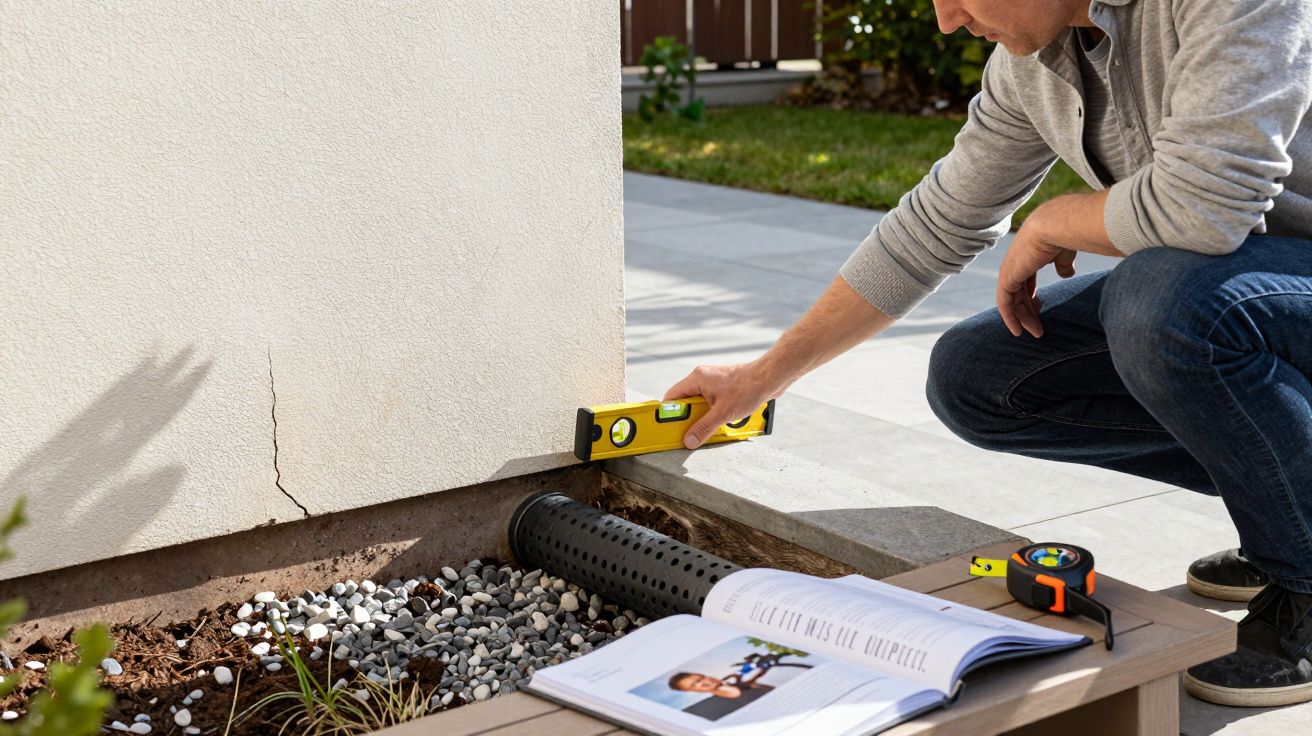
The temptation with structural garden works is that they look like a neat, one‑and‑done fix: a quick retaining wall, a raised platform, a hard-edged terrace that “solves” a slope. But when those shortcuts are done without proper design and sign‑off, they can sabotage property value enhancements faster than a tired kitchen ever will. Buyers may forgive a scruffy lawn; they rarely forgive movement, drainage trouble, or paperwork gaps.
I learned this watching a neighbour try to sell after a “weekend wall” went viral on the local Facebook group. It photographed brilliantly in summer. In winter, the paving dipped, the steps twisted slightly, and the surveyor used the word risk more than once.
The shortcut that looks like confidence
Most garden structural projects fail in the same quiet way. Not with an immediate collapse, but with subtle signals: hairline cracks, doors sticking in the garden room, a wall that leans just enough for you to stop inviting people over.
The clever shortcut usually has a familiar shape:
- retaining sleepers pinned into soil with a few rods
- stacked blocks with no proper footing
- a patio laid on too-thin sub‑base “because it’s only a garden”
- a raised bed built so high it’s basically a wall, but treated like furniture
On paper, it’s thrift and speed. In reality, it’s you taking responsibility for forces that don’t care about your weekend timeline: water pressure, freeze–thaw, saturated clay, and gravity’s slow patience.
What buyers (and surveyors) actually notice
A garden can be messy and still be lovable. Structural issues read differently because they imply hidden cost, disruption, and uncertainty.
Surveyors and cautious buyers tend to zoom in on three things:
- Movement: bulging walls, uneven paving, gaps opening at joints.
- Water management: standing water, silt lines, algae on walls, staining that suggests poor drainage.
- Build legitimacy: evidence of proper construction, access to specs, and where relevant, permissions or warranties.
A structural shortcut doesn’t just create a defect; it creates questions. And questions are expensive in negotiations.
“It’s not that the wall is definitely unsafe,” a friend in conveyancing once told me. “It’s that nobody wants to buy the argument about whether it is.”
The hidden mechanics that turn “fine” into “problem”
Retaining walls and terraces are deceptively demanding because they hold back more than soil. They hold back water, and water multiplies the load.
If you remember only one thing, let it be this: drainage is not a finishing touch; it’s the structure’s pressure release valve. Without it, the wall does extra work until it can’t.
Common technical misses that show up later:
- No proper footing depth (especially on clay or made ground)
- No geogrid or reinforcement where it’s needed
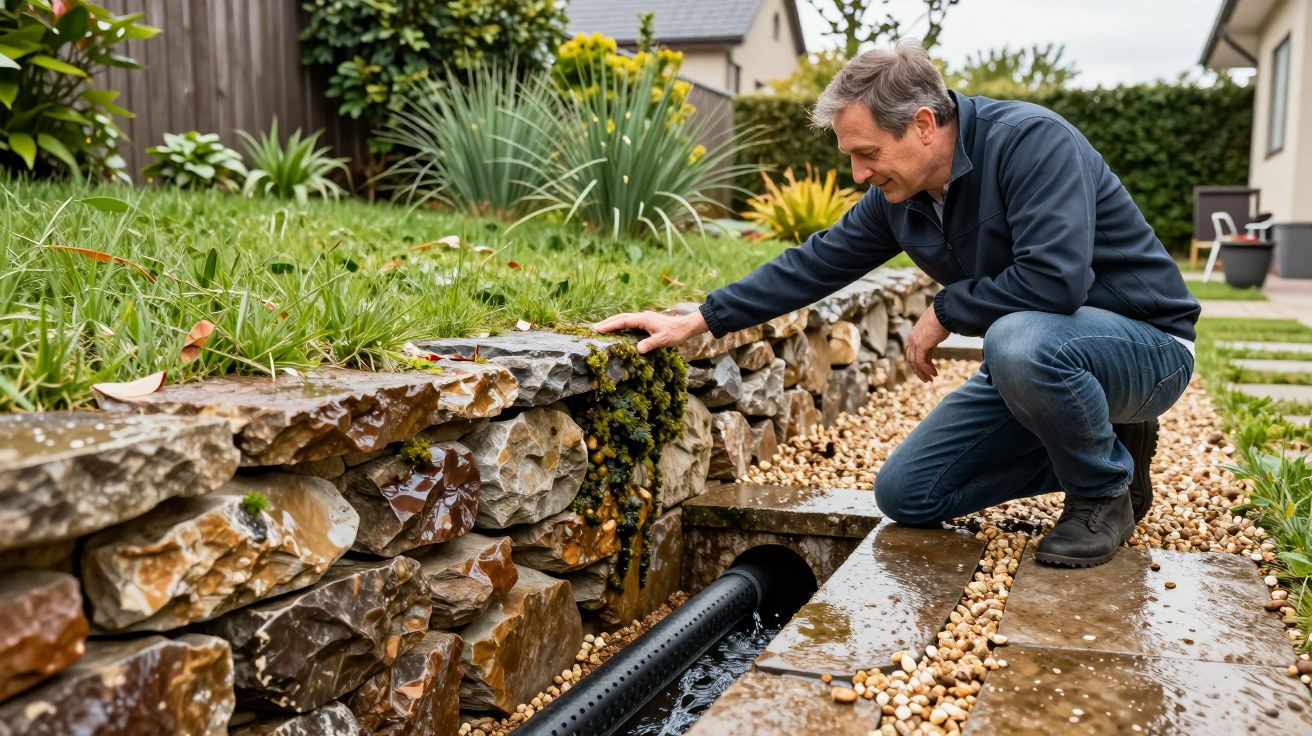
- No free‑draining backfill, or no perforated land drain and weep holes
- Incorrect wall type for height (a “garden feature” asked to behave like engineering)
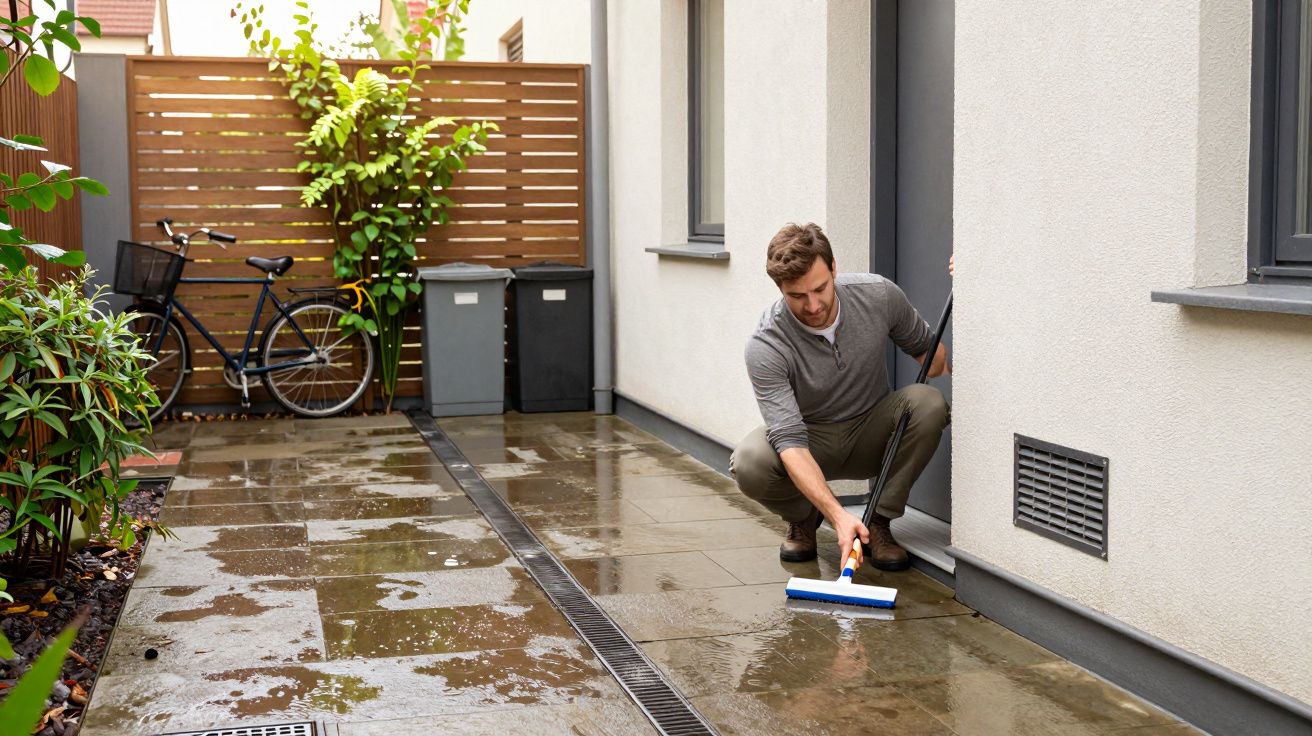
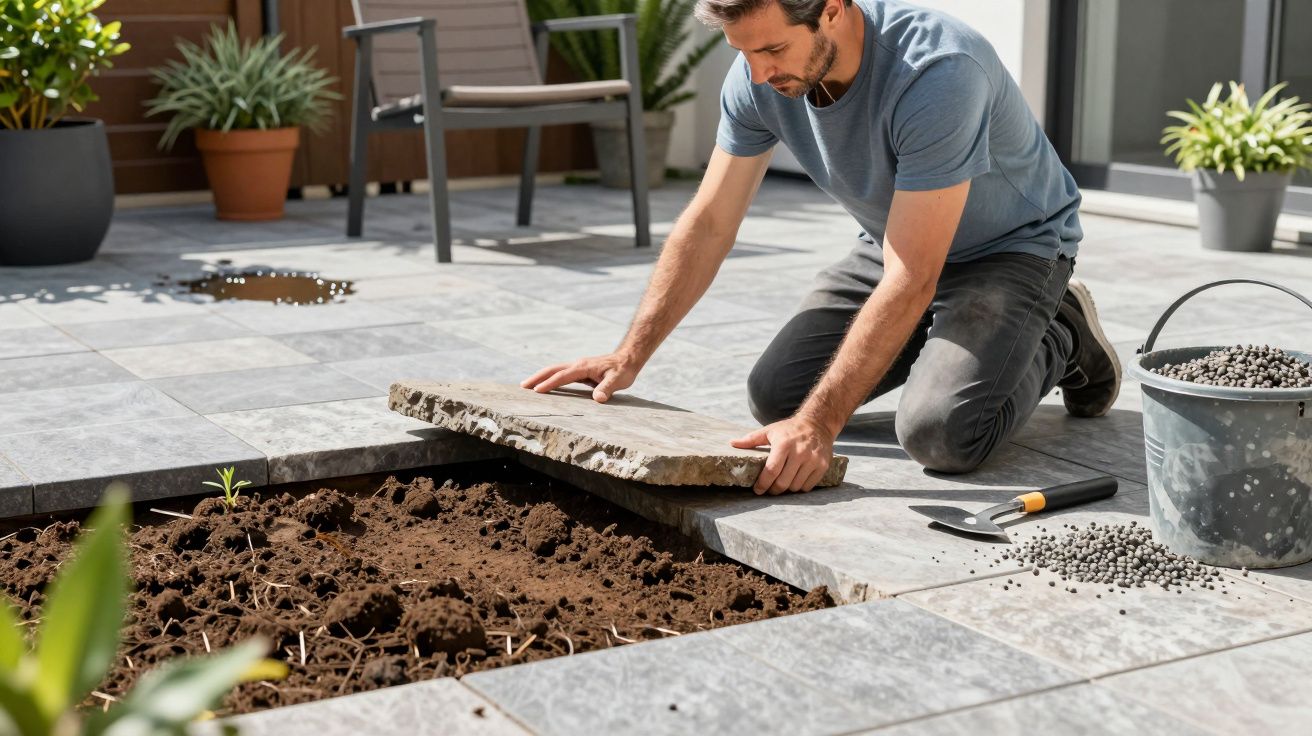
- Patio base too thin, compacted poorly, or laid with no fall away from the house
You may not see the consequence for a year. But a buyer’s survey is designed to imagine the next ten.
When a garden project becomes a value liability
People assume gardens are “nice to have” and therefore low risk. Yet certain structural garden works can cross into the territory of formal building practice, especially when they affect safety, boundaries, or drainage near the house.
Red flags that can drag resale value down include:
- Retaining walls of significant height (particularly near public areas or where collapse could injure someone)
- Works close to the house that could affect damp, foundations, or air bricks
- Boundary walls that raise neighbour disputes or ownership questions
- Raised decking with questionable guard rails or supports
- Poorly managed runoff that sends water onto a neighbouring property
The value hit isn’t always a straight “minus £X”. Often it appears as a smaller buyer pool, slower sale, survey renegotiations, or a lender asking for further reports.
How to do the “clever” version that holds up
There is a way to be efficient without being reckless. The goal is not perfection; it’s clarity: the right approach for the site, plus evidence you did it properly.
Practical moves that protect property value enhancements:
- Choose the right system: for higher walls, consider engineered block systems or reinforced solutions, not improvised stacks.
- Put water first: specify drainage, falls, and backfill before you pick the facing material.
- Keep records: photos of stages (footings, drainage runs, sub‑base depth), receipts, and any design notes.
- Use professionals strategically: even if you build yourself, paying for an engineer’s advice on a retaining wall can be cheaper than a failed sale later.
- Don’t hide fixes: a new render coat on a bulging wall reads as camouflage, not improvement.
There’s also a surprisingly calming test: if you can’t explain how water leaves the structure, you probably don’t have a structure yet-just an ornament waiting for winter.
A quick “will this spook a buyer?” checklist
If you’re standing in the garden wondering whether to redo something before listing, ask:
- Does anything lean, dip, or crack in a way that’s new or worsening?
- After heavy rain, where does the water sit-and where does it flow?
- Is any timber in ground contact that’s supposed to last like masonry?
- If a stranger asked “who built this and to what spec?”, do you have a calm answer?
- Would you bet your own money that it won’t need work in the next two years?
If the answers make your stomach tighten, buyers will feel it too. Not because they’re picky, but because they’re imagining builders, noise, cost, and delay.
What gardens teach about honesty
A well-built garden doesn’t shout. It simply stops demanding attention. Steps feel solid. Walls look bored. Water drains away like it has somewhere better to be.
The resale win, in the end, is almost unfairly simple: do the unglamorous parts well, and the pretty parts become trustworthy. The clever shortcut isn’t making it look finished by Sunday. It’s making it still look ordinary five winters from now.
FAQ:
- Do I need planning permission for retaining walls and terraces? Sometimes. It depends on height, location, proximity to highways, whether the works affect drainage, and whether you’re in a conservation area or have other restrictions. If in doubt, check with your local planning authority before you build.
- What’s the biggest mistake in DIY retaining walls? Skipping proper drainage and using the wrong wall type for the height. Water pressure is often what causes bulging and failure, not just the soil itself.
- Will a buyer really care if the garden wall is slightly wonky? Many will, because it signals future cost and risk. Even if they love the look, their surveyor and lender may not.
- How can I prove the work was done properly when selling? Keep photos of construction stages, receipts for materials, any contractor invoices, and any engineering advice or calculations. A simple folder of evidence reduces buyer uncertainty.
- Is it worth fixing issues before listing? If the issue suggests movement, drainage trouble, or safety risk, often yes. A clean fix with evidence is usually cheaper than repeated price drops and renegotiations later.



Comments (0)
No comments yet. Be the first to comment!
Leave a Comment