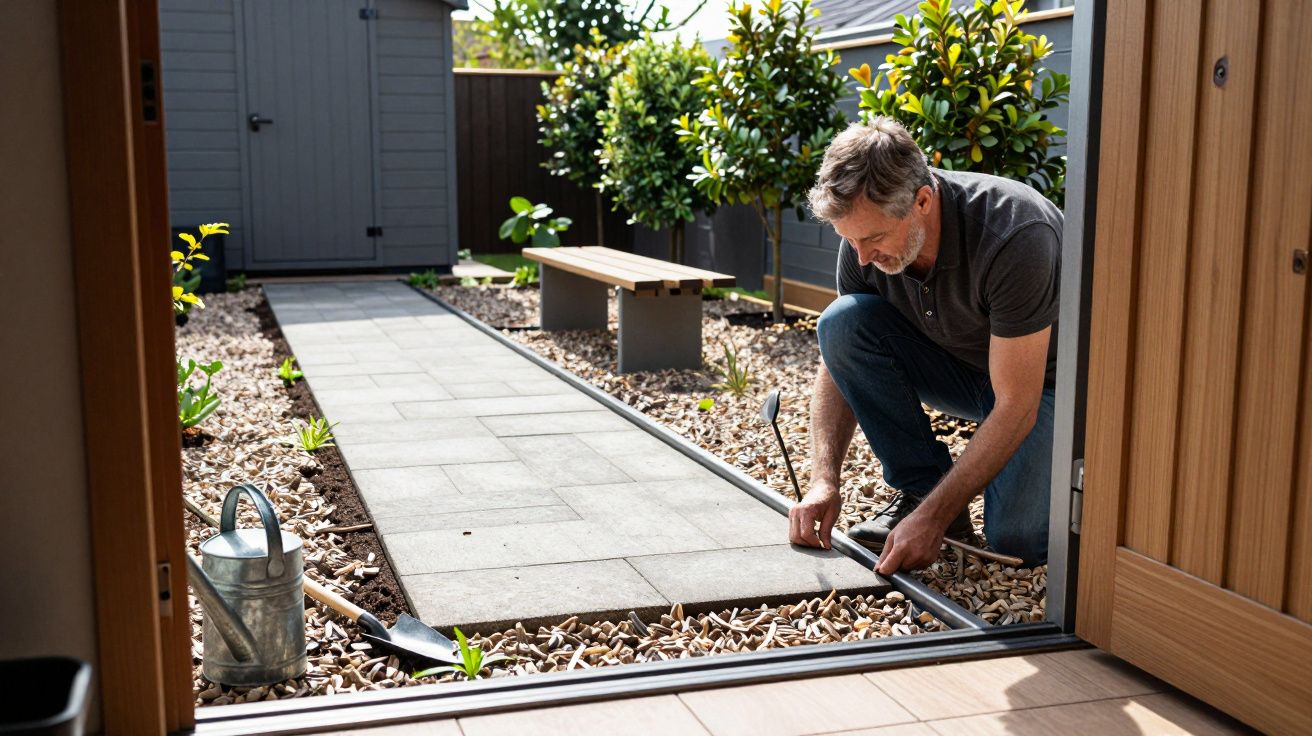
A garden can look “done” on Instagram and still feel oddly stressful to live with. That’s where garden redesign comes in: it’s not just choosing plants, but shaping light, routes, storage and maintenance so a space actually holds up. It matters even more with end-of-life gardens, where access, safety and simplicity aren’t luxuries - they’re what keeps the garden usable.
I learnt this watching a neighbour’s new build plot get “sorted” in one weekend. A membrane went down, a few instant shrubs went in, and the rest became gravel, slate and the kind of symmetrical planters that look tidy from the kitchen window. It was pitched as low effort. It was also a slow-moving failure, because the effort hadn’t been removed - it had been postponed and reassigned.
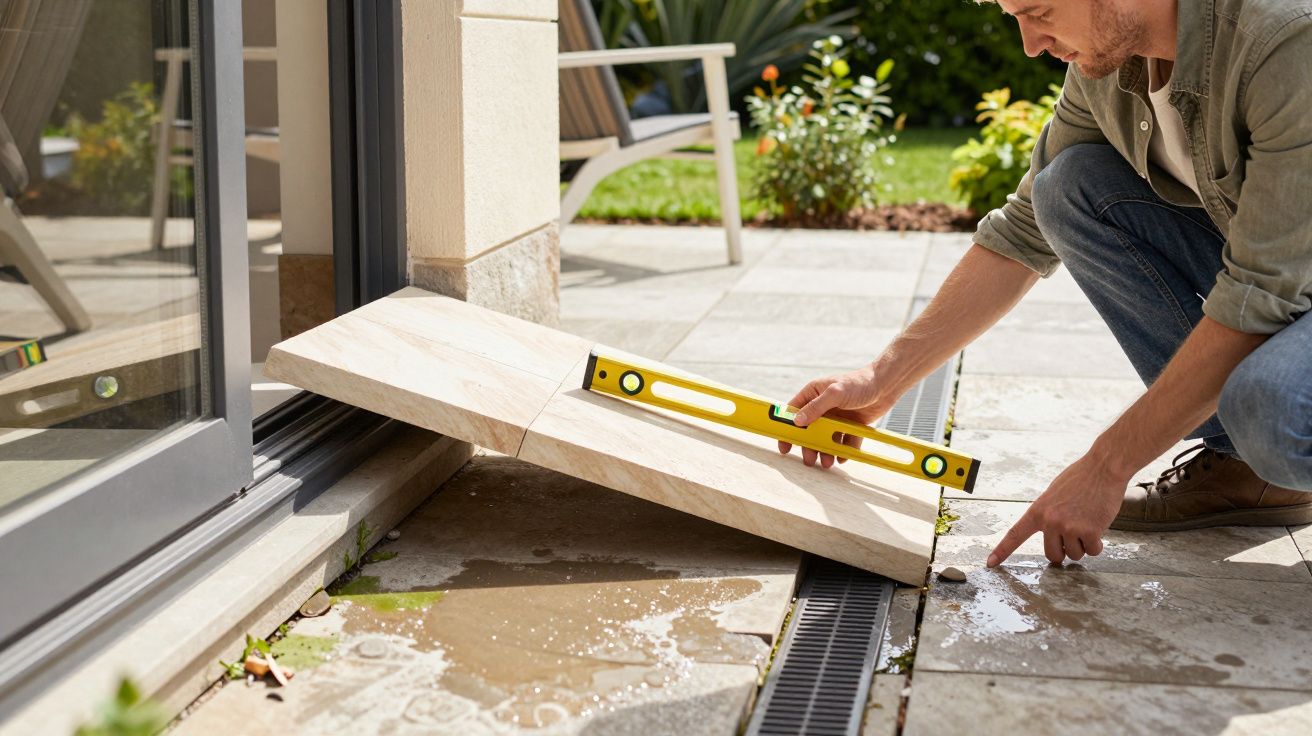
By late summer, weeds were punching through seams, water was pooling at the threshold, and the “easy” plants were either crispy or sulking. The garden was still tidy in photos. In real life, it felt brittle.
The lie of “low effort” outdoors
There’s a kind of marketing language that floats around gardens: no-dig, no-mow, maintenance-free. It’s comforting, especially if you’re tired, time-poor, or caring for someone else. But outdoors isn’t a static room; it’s a living system with weather, shade, soil, pests and people moving through it.
What “low effort” often really means is: low planning. The jobs you skip at the beginning come back later as awkward, repetitive fixes. The surface looks calm, but the workload leaks out at the edges - drains, borders, joints, and your back.
You can’t negotiate with gravity and rain. You can only design for them.
What actually happened in that garden
The gravel was laid straight onto membrane with no proper edging, and it slowly migrated into the lawn and the path. A bargain timber sleeper border looked neat for a month, then began to bow because it wasn’t pinned or backed, and the soil behind it got heavy after rain.
The planting was chosen like décor: matching shapes, instant impact, lots of evergreens. Nobody checked what the garden was like at 8am in February or 6pm in August. In the shadiest corner, the “sun-loving” shrubs thinned out; in the hottest strip by the fence, the same varieties scorched and dropped leaves.
Then came the quiet kicker: the path from the back door to the shed was too narrow, with loose stone right where you need footing. You could feel people subconsciously avoiding it. A garden you avoid becomes, by definition, hard work.
Why it fails faster in end-of-life gardens
If you’re designing for older age, illness, limited mobility, or a period where energy is rationed, “low effort” has to mean reliably usable - not just visually simple. A slippery surface, awkward step, or heavy gate isn’t a minor inconvenience; it can end the garden as a daily place.
End-of-life gardens also need clarity. You want a route you can follow without thinking. You want somewhere comfortable to sit with a view. You want watering to be possible without dragging a hose like an anchor across gravel.
And you want the garden to keep giving even when nobody is up for a big weekend of “sorting it out”.
The hidden costs: drainage, edges, and constant micro-maintenance
The neighbour’s garden didn’t need a grand overhaul. It needed three unglamorous decisions made properly:
- Where does rainwater go in a downpour?
- What physically holds the surface in place?
- How will someone move through this space carrying a pot, a watering can, or themselves on a bad day?
Instead, the design treated the ground like a backdrop. Gravel became the default because it feels effortless, but gravel is only low effort when it’s contained, layered, and laid with drainage in mind. Without that, it becomes a daily negotiation: stones underfoot, weeds at the margins, and a constant sense that things are slipping out of order.
A landscape designer I once worked with put it bluntly: “If you don’t design your edges, your garden will design them for you - and you won’t like the result.”
A calmer way to do “low effort” (without the false promise)
Start with function, then make it pretty. In practice, that means choosing one main route and making it stable, wide enough, and kind to knees and balance. It means planning for watering before you buy plants. It means picking fewer varieties and repeating them, rather than buying a trolley full of “hardy” things and hoping.
Here’s what tends to work in real gardens - including end-of-life gardens - without turning you into a full-time groundskeeper:
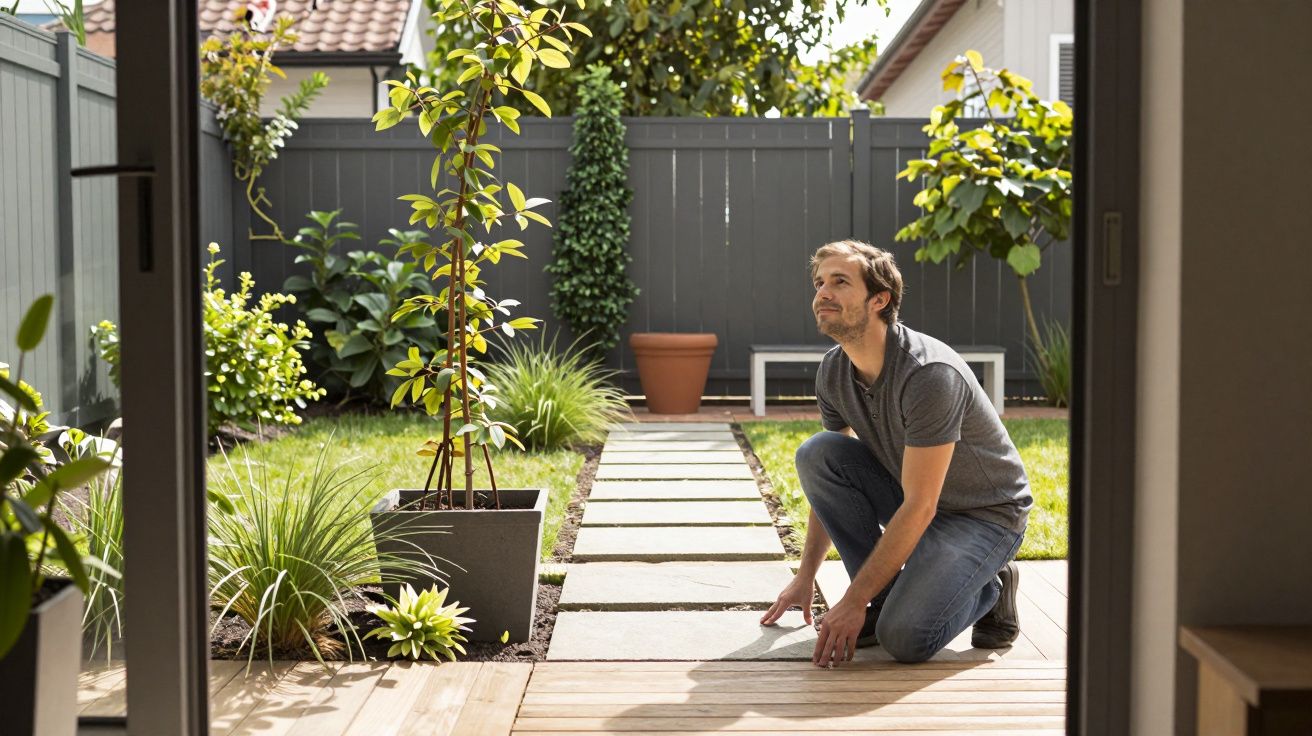
- Make one solid path first. Resin-bound, paving with tight joints, or compacted self-binding gravel with proper edging. Aim for easy footing over visual trends.
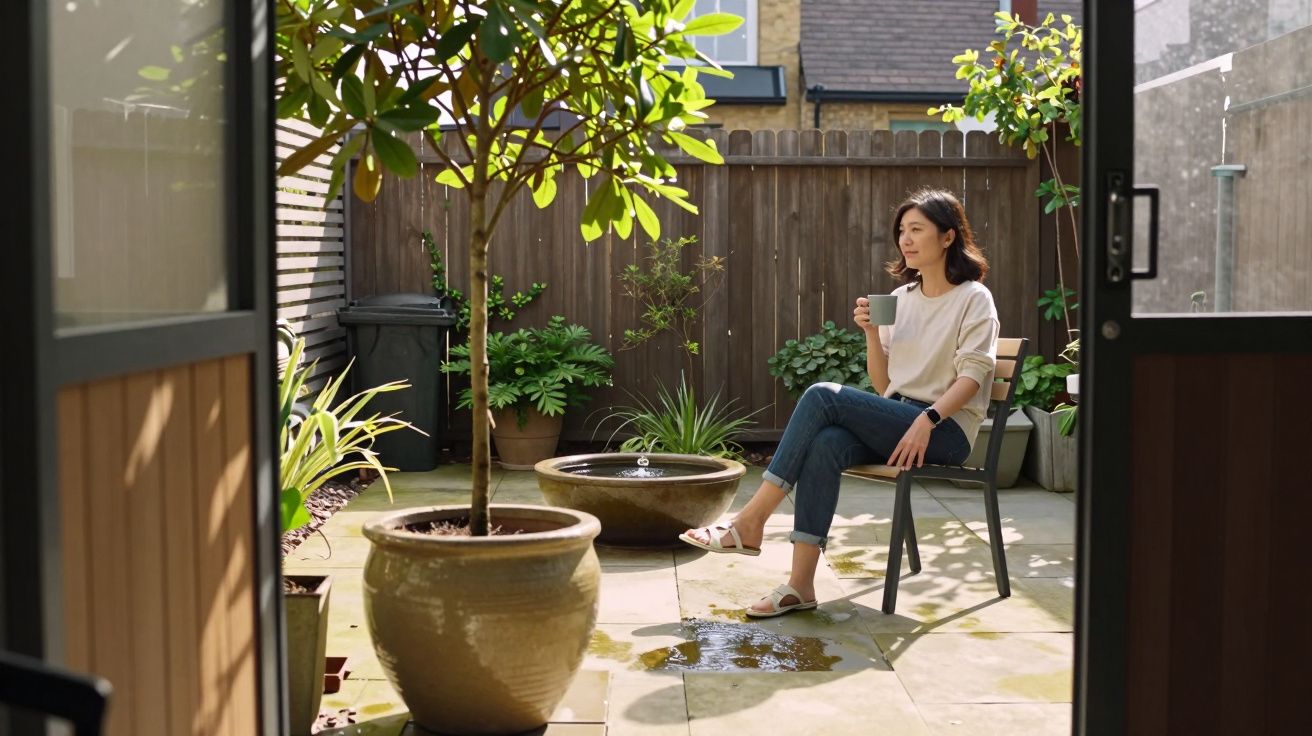
- Design seating like it matters. A bench in shade is different from a bench in wind. Put it where someone will actually sit, not where it looks balanced on a plan.
- Choose plants with the site, not the label. “Drought-tolerant” still needs water to establish. “Shade” still varies: dry shade is its own beast.
- Reduce fiddly borders. Big planting areas with repeated shrubs and groundcover beat thin strips that need constant trimming.
- Build in access to the basics. Tap, hose, storage, bin route, gate latch - the boring stuff decides whether a garden is easy.
None of this is flashy. That’s the point. The effort goes into decisions and foundations, not into constant rescue missions later.
The mindset shift: effort belongs up front
Low effort shouldn’t mean low care. It should mean the garden holds its shape without you propping it up every weekend. The irony is that the most restful gardens usually start with the most intentional planning: levels, drainage, routes, and a planting scheme that suits your real life.
A garden redesign done well is a transfer of labour from your future self back to the present. You pay once, in thought and good groundwork, instead of paying forever in small, draining tasks.
| Mistake that looks “easy” | What it turns into | Better low-effort swap |
|---|---|---|
| Loose gravel everywhere | Weeds, drift, unstable footing | One stable path + contained gravel only where needed |
| Instant shrubs “for structure” | Wrong plant, wrong place stress | Repeat a few proven plants that fit your light and soil |
| Minimal edges | Constant tidying at borders | Proper edging you can mow/brush against |
FAQ:
- Is gravel always a bad idea for a low-effort garden? No, but it needs proper depth, a stable sub-base, and strong edging. Used selectively, it can be practical; used everywhere, it often becomes fussy.
- What’s the single best upgrade for an end-of-life garden? A safe, simple route from door to seating (and ideally to a tap). If someone can’t move confidently, the rest of the garden won’t get used.
- Do I need a designer for a garden redesign? Not always. But paying for a couple of hours of site-specific advice (levels, drainage, layout) can prevent expensive “easy” mistakes.
- How do I keep planting low maintenance without it looking flat? Repeat a small palette, mix evergreen structure with long-season perennials, and use groundcover to reduce bare soil and weeding.
- When is the best time to start fixing a failing ‘low effort’ garden? Start with autumn or early spring: easier planting conditions and less pressure to keep everything looking perfect while you change it.



Comments (0)
No comments yet. Be the first to comment!
Leave a Comment