A garden redesign for urban gardens is a strange mix of maths and mood: it looks tidy on a plan, then your real site laughs at the ruler. It matters because most city plots are small, overlooked and expensive to change twice, so the first set of decisions has a habit of sticking.
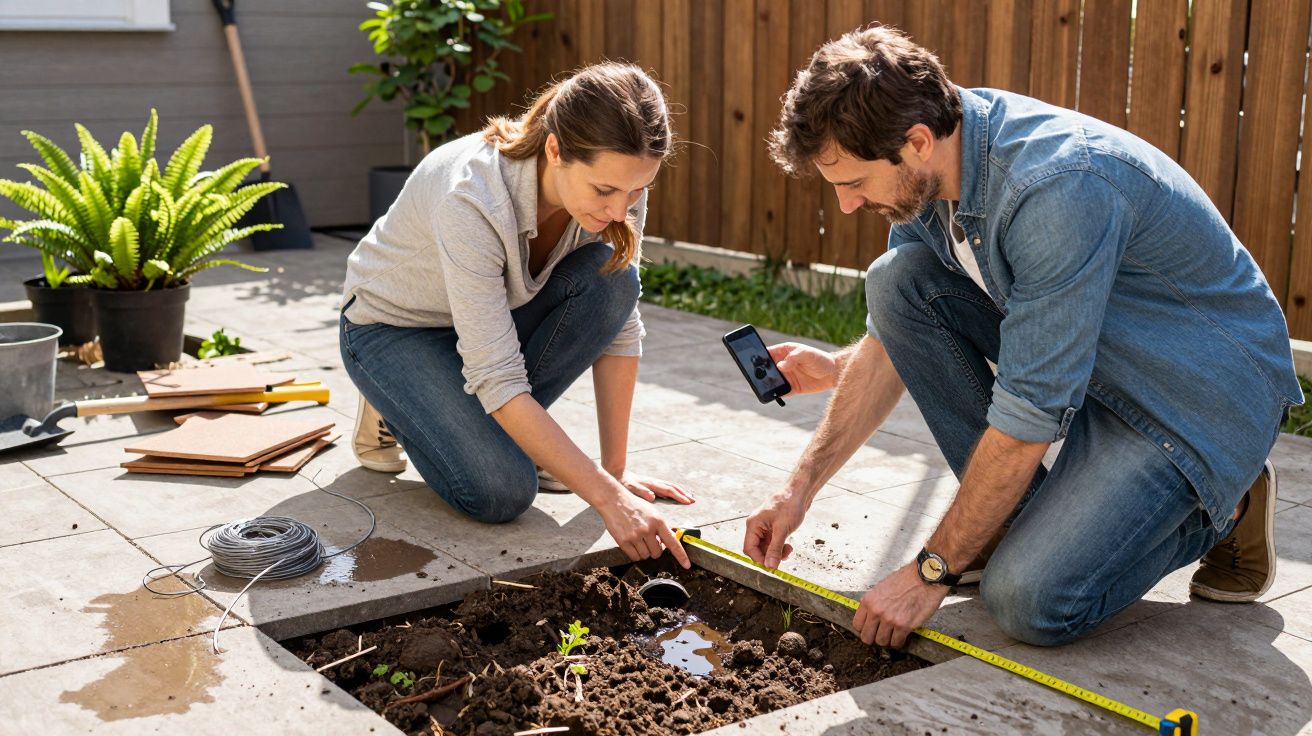
Ours began with a drawing on the kitchen table and a promise: “low maintenance, lots of green, space to sit”. The plan had neat rectangles, a slim border, and a path that flowed like a good sentence. Then we started lifting slabs and met the actual garden-lumpy levels, a hungry drain, and shade that moved like a slow, stubborn animal.
By day three the phrase “on paper” became a warning. The skip filled, the budget creaked, and the dream of a weekend transformation turned into a month of half-finished edges you could trip over in the dark.
The first shock: the garden you have isn’t the garden you drew
In urban gardens, boundaries are rarely straight and sunlight is rarely generous. A fence that looks square from your back door can be several centimetres out by the time you reach the shed, and those centimetres multiply when you’re trying to run paving lines or set a pergola.
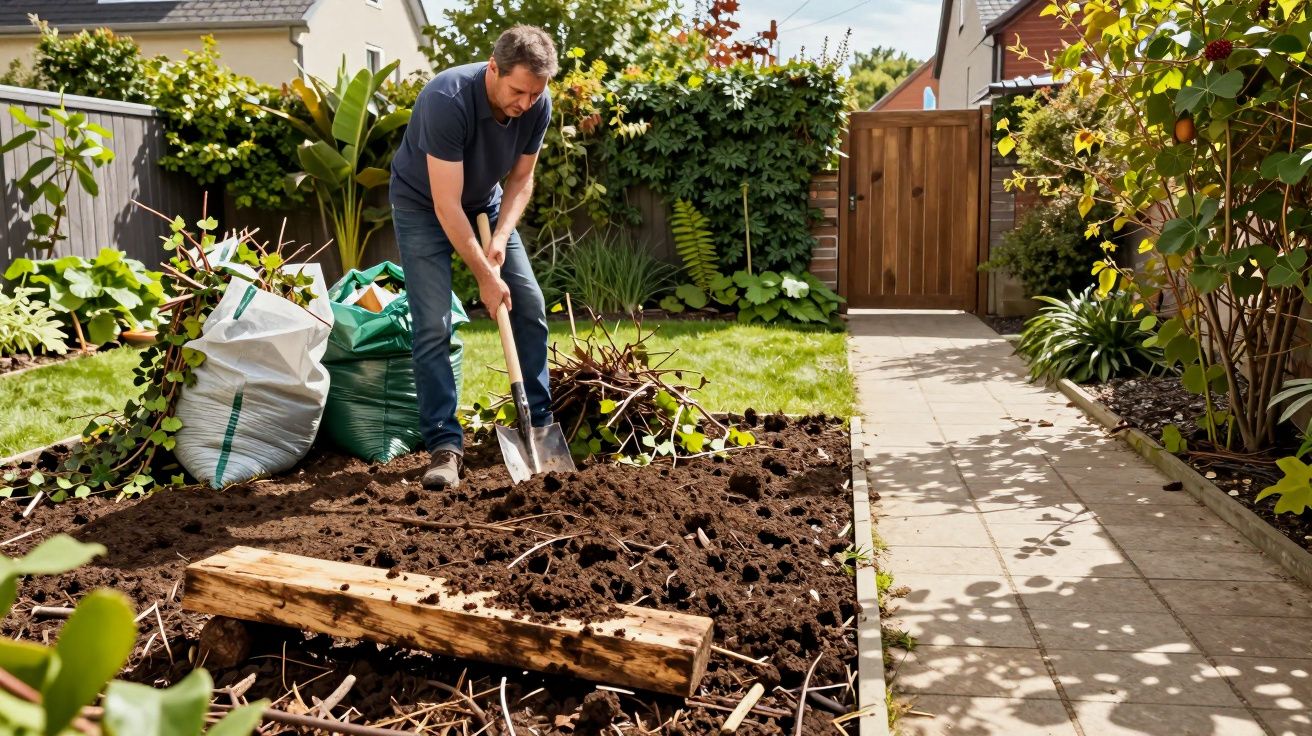
The other surprise is what lives underneath. Old builders’ rubble, compacted clay, a buried patio from 1987-none of it shows up on a moodboard. You only find it when you dig, and digging is when your “simple” garden redesign starts charging interest.
Here are the reality checks that most often bite first:
- Levels: a gentle slope on a plan becomes a wobble you feel underfoot.
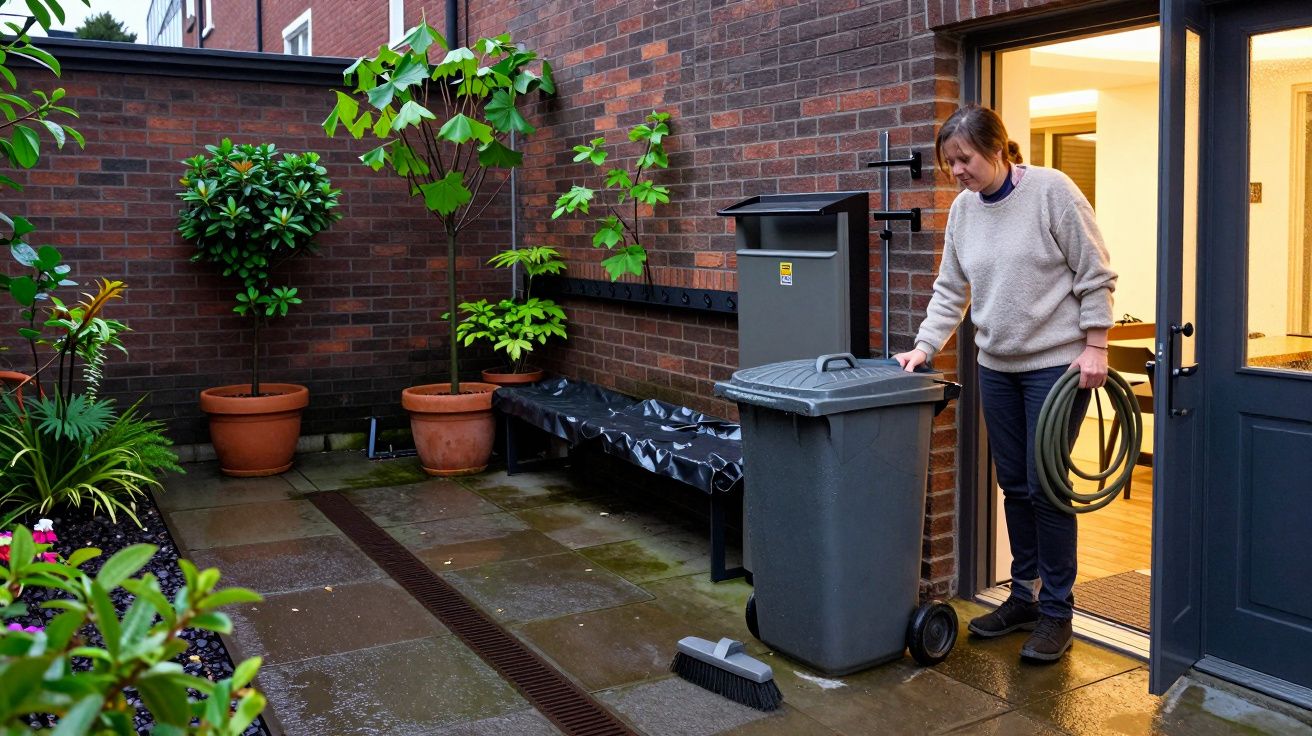
- Drainage: water always chooses the lowest, worst place to sit.
- Shade: walls and neighbours’ extensions steal more light than you think.
- Access: everything arrives through a narrow hallway, in pieces, slowly.
The overlooked budget-buster: edges, joins and “small” materials
Big-ticket items get the attention-paving, decking, a new fence. The money leaks out through the in-between bits: edging restraints, extra sub-base, bags of sand, fixings you buy twice because the first ones rust or don’t fit.
We had costed “a path”. We hadn’t costed the path plus the step we suddenly needed because the levels were off, plus the extra cut slabs when the boundary wasn’t square, plus the waste because the slabs we loved didn’t like being trimmed small.
A useful rule: every clean line in a design is a real line you must build. In a small garden, you have more lines per square metre, which is why compact spaces can be surprisingly pricey.
When low maintenance becomes high effort: the planting trap
Planting plans in urban gardens often assume ideal conditions: sun where there’s shade, deep soil where there’s builders’ muck, and rainfall that behaves. Reality is a border that bakes at one end and stays damp at the other, with wind tunnelling between buildings.
We went “Mediterranean” in a north-facing corner because we’d seen it online. Lavender sulked, rosemary stalled, and the ornamental grasses did their best but looked thin. Meanwhile the plants we’d dismissed as boring-ferns, hellebores, hardy geraniums-were quietly thriving in the spots we kept trying to force.
What helped was flipping the question from “What do we want?” to “What will live here?”:
- Observe sun/shade for a full day before buying plants.
- Improve soil where you can, but match plants to conditions first.
- Repeat fewer species for calm; too much variety reads messy in small spaces.
- Leave room for access. If you can’t reach it, you won’t maintain it.
The fix that calmed everything down: build for the way you actually use it
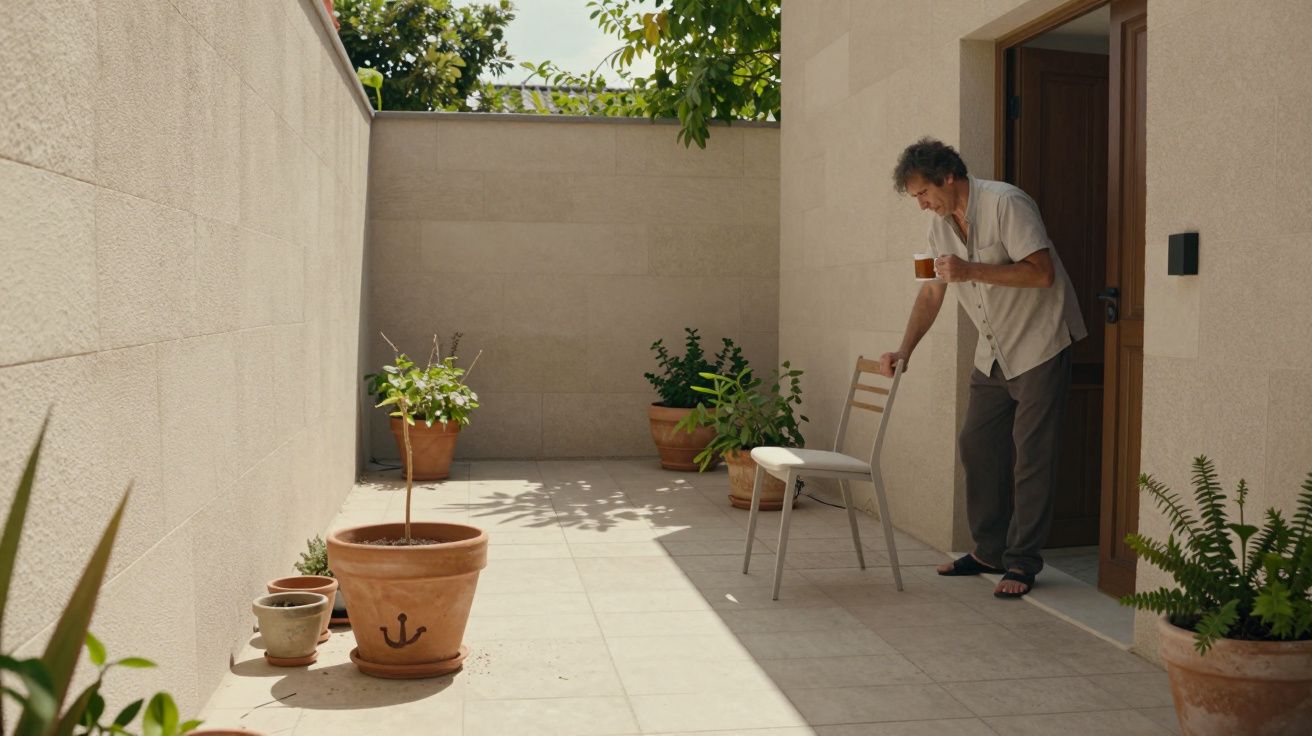
The garden started to work when we stopped trying to execute a picture and started designing around movement. Where do you step out with a mug? Where do bins go? Which route do you take at night? The answers were not where the plan had put them.
We widened the path by a hand’s breadth so two people could pass without shuffling. We moved the seating area to the one patch that caught evening light, even though it ruined the symmetry. We added a narrow strip of planting by the fence not because it was on trend, but because it softened the hard line and made the whole space feel bigger.
A good garden redesign isn’t a photograph. It’s a set of friction-free habits.
A quick “reality-first” checklist before you start again
If you’re planning a redesign-especially in urban gardens-do these before you fall in love with a layout:
- Measure twice, then measure the diagonals (they reveal squareness).
- Mark the plan out with string or masking tape and walk it at dusk.
- Dig a small test hole to see soil depth and what’s underneath.
- Watch where water sits after rain; take a photo, don’t trust memory.
- Keep 10–15% of budget for the unknown. You will meet it.
“Make the hardscape boring and correct,” a landscaper friend told us. “Then you can be brave with plants later.”
That was the lesson. The paper version was pretty. The real version, once we listened to it, became usable.
FAQ:
- Do I need a designer for a small garden redesign? Not always, but a one-off consultation can be worth it in urban gardens where levels, drainage and shade are tricky. You can keep the build DIY and still pay for smarter decisions.
- What’s the biggest mistake people make with planting? Choosing plants for a look rather than the site. Start with light and soil conditions, then pick a style that fits what will reliably grow.
- How do I keep it “low maintenance” without it looking bare? Use fewer materials, fewer plant species, and repeat them. Prioritise access paths and mulch well; maintenance usually fails where reaching things is annoying.



Comments (0)
No comments yet. Be the first to comment!
Leave a Comment