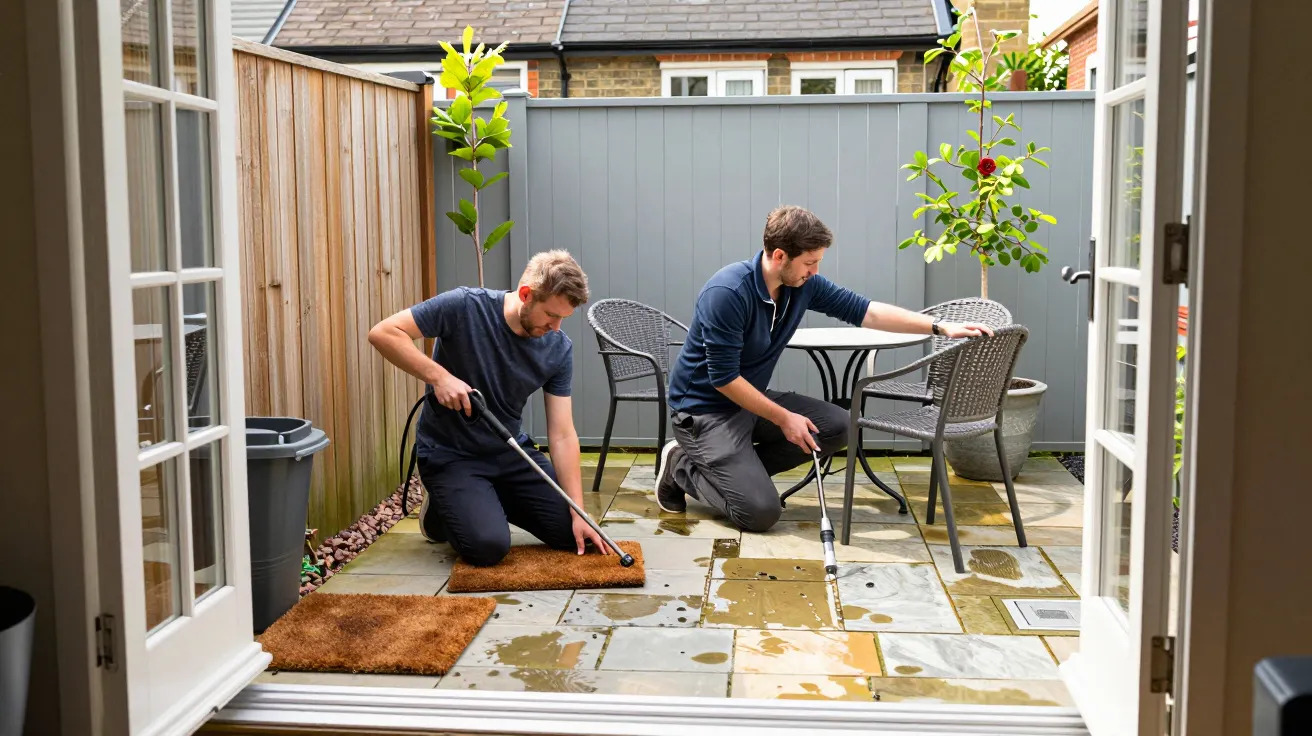
Outdoor space transformation is one of those phrases that sounds optional until you watch a buyer step outside and make a decision in silence. Property investors know this moment well: the back garden, patio or balcony gets one quick scan, and you can almost hear the value ticking up or down. It matters because outdoor space is emotional proof of lifestyle, and buyers judge it faster than they judge your boiler.
I learned this the hard way at a viewing on a bright Saturday where the house was spotless, staged, and smelled faintly of fresh paint. Then we walked through the French doors and everyone’s shoulders dropped. The garden wasn’t “small”. It was awkward, scruffy, and confusing - like a room with all the furniture shoved into the corners.
The agent kept talking. The buyers stopped listening.
The outdoor space problem buyers clock first
It’s not weeds. It’s not even the size.
The first thing buyers notice is whether the outdoor space has a clear purpose. Can they tell, within five seconds, where they’d sit, eat, dry laundry, let a dog out, or watch the kids? If the answer is “not really”, the brain labels it work - and work feels expensive.
You see it in their eyes: the quick glance around, the mental measuring tape, the little frown at the random paving slab and the lonely plastic chair. People don’t mind modest outdoor space. They mind outdoor space that looks like a problem they’ll inherit.
The “five-second test” that predicts how it will photograph (and sell)
Stand at the back door, or at the threshold of a balcony. Don’t walk out. Just look.
Ask yourself:
- Is there an obvious “landing zone” that feels clean and intentional?
- Do you see one focal point (a seating area, a planter, a small tree, a tidy shed)?
- Can you tell where the boundaries are, and what belongs to the property?
- Does it feel private enough to relax, even slightly?
If you have to explain it, buyers won’t feel it.
Why messy layouts scare people more than messy plants
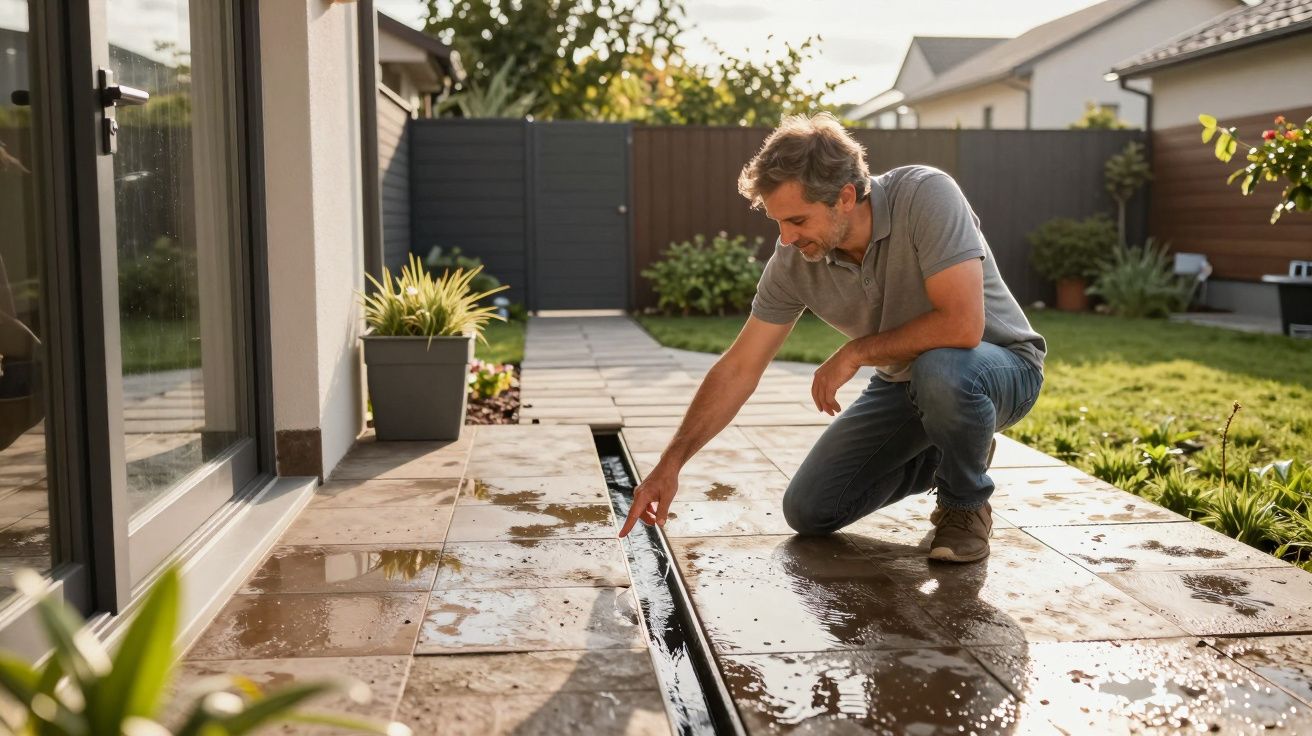
Overgrown borders can be tamed in a weekend. A confusing layout feels structural, even when it isn’t. Buyers start asking themselves the expensive questions: drainage, sun, slope, fences, neighbours looking in. They imagine arguments with contractors and trips to the tip.
And if you’re a property investor, that’s the real threat: not the actual cost of fixing it, but the uncertainty it triggers. Uncertainty is what knocks offers down.
There’s also a quiet UK-specific factor at play. Our gardens are often smaller than we’d like, and our weather is famously moody. If an outdoor space looks hard to use on an average day, it gets mentally written off. A buyer won’t pay a premium for something they think they’ll only tolerate twice a year.
The outdoor space transformation buyers respond to (even when it’s tiny)
The best outdoor space transformation is rarely dramatic. It’s usually one simple, readable layout that makes the space feel like an extra room.
Think in three zones:
- Threshold zone: the first 1–2 metres outside the door. This must be clean, level, and “ready”.
- Use zone: one clear purpose (a bistro set, a small bench, a BBQ spot, a kid’s corner).
- Edge zone: boundaries that look cared for (fences painted, borders defined, storage tucked away).
You’re not building a show garden. You’re removing decision fatigue.
The cheapest high-impact fix: make the “landing” feel deliberate
Buyers forgive a plain garden if the first step outside feels intentional. This is where the money is, because it’s where people imagine their morning coffee.
A practical reset that works in most UK spaces:
- Pressure wash paving or decking at the back door.
- Add one outdoor mat or simple tile “step” if it’s muddy.
- Put a small, weatherproof seating cue (two chairs, or one bench).
- Add a single tall planter or trellis to give height and privacy.
The goal is not decoration. The goal is permission - permission for the buyer to picture themselves using it without a spreadsheet.
The three “silent deal-killers” buyers don’t always say out loud
People are polite at viewings. They’ll say, “It’s a nice size,” while mentally subtracting £10k.
These are the problems that create that silent subtraction:
- No privacy signal: a space that feels overlooked, even if it technically isn’t.
- No storage story: bins, bikes, and tools have nowhere to go, so the garden becomes the “mess room”.
- No boundary clarity: mismatched fences, crumbling edges, unclear ownership lines, or a sense the garden “bleeds” into next door.
None of these require a landscape architect. They require clarity.
A simple buyer-proof checklist (that also helps valuers)
If you’re prepping for sale or rent, treat it like staging a living room: remove friction, show function, reduce doubt.
- Hide bins (screening, a small enclosure, or simply a neat corner with matching lids).
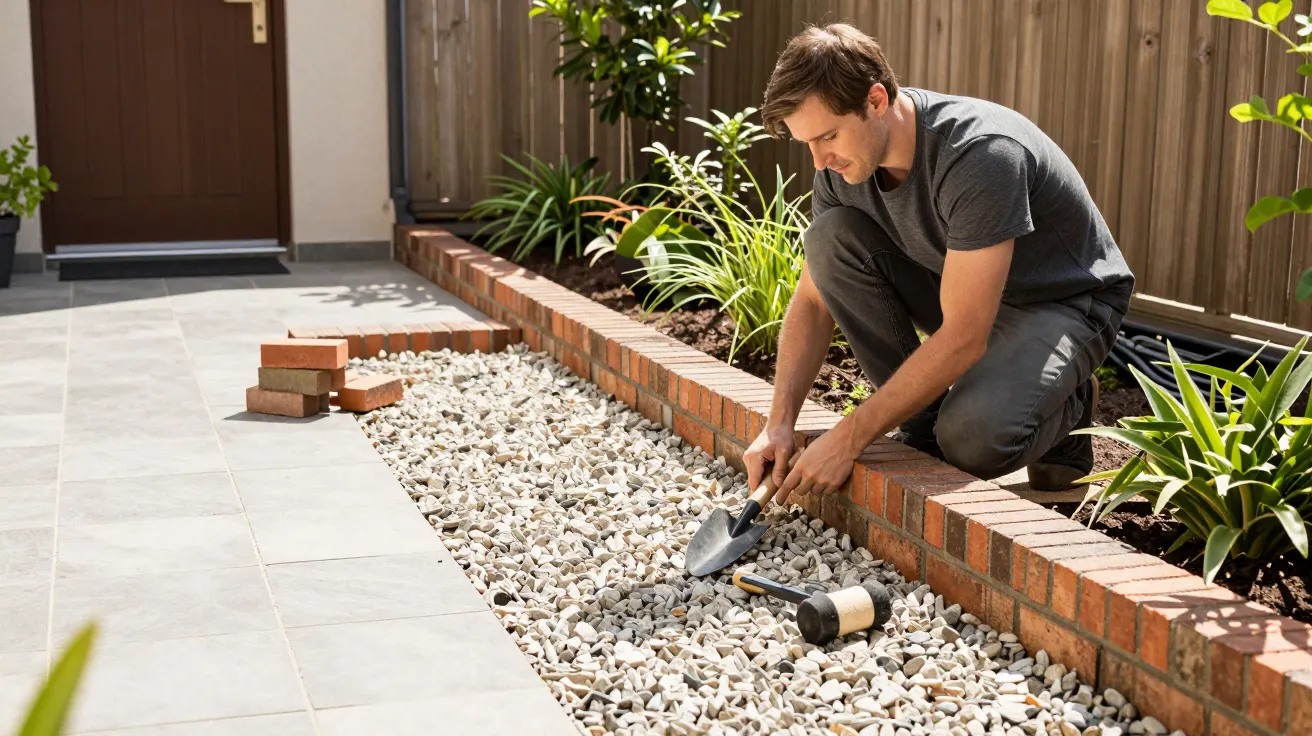
- Define an edge (timber border, gravel strip, or clean-cut lawn line).
- Paint or stain fences that are patchy (one consistent colour reads “maintained”).
- Replace one broken thing (a loose slab, a wonky gate latch, a snapped trellis).
- Add one “vertical” element (tree, tall pot, climbing plant) to make it feel designed.
If you can only do one thing, make the first view from the door look crisp.
The awkward truth about “low maintenance” gardens
Buyers say they want low maintenance, but what they really want is low uncertainty.
Artificial grass can photograph well and still put off half the room. Gravel can look smart and still feel like a future weeding job. Decking can feel like a win until someone notices it’s slippery and green at the edges.
A safer approach is boring in the best way: simple paving, defined borders, and plants that look alive without looking needy. In the UK, “tidy and usable” beats “clever and controversial” almost every time.
What property investors tend to do right (and owner-occupiers forget)
Property investors often win because they design for immediacy. They don’t create a fantasy. They create a clear, low-risk story: sit here, store that, maintain this easily.
Owner-occupiers sometimes do the opposite. They fill the garden with personal projects - half-finished planters, a trampoline that dominates the view, a shed that’s become a graveyard of paint tins. It’s not wrong to live that way. It’s just not how you sell.
The moment you know it’s working
After the reset, the best sign isn’t compliments. It’s speed.
Buyers step outside and pause, not because they’re confused, but because they’re imagining. They drift towards the seating spot without being guided. They look up at the fence and stop thinking about it. The garden becomes quiet in their mind - which is exactly what you want.
Outdoor space doesn’t need to be huge. It needs to be legible. And once you give it a purpose, it stops being “the garden” and starts being “another part of the home”.
FAQ:
- Do buyers really care about gardens in winter? Yes. Even in winter, buyers judge whether the space looks usable and maintained. A clean threshold and tidy boundaries matter more than flowers.
- What’s the best outdoor upgrade for a tight budget? Pressure washing, fence paint, and one simple seating cue near the door. It creates an instant “room” outdoors without major works.
- Is artificial grass a good idea for resale? It depends on your local market, but it can polarise buyers. If you use it, keep it high quality and make the edges and drainage look professional.
- How do I make a small balcony feel valuable? Clear the floor, add one bistro set, one tall plant for privacy, and warm lighting. The goal is to show it can be used, not stored in.




Comments (0)
No comments yet. Be the first to comment!
Leave a Comment