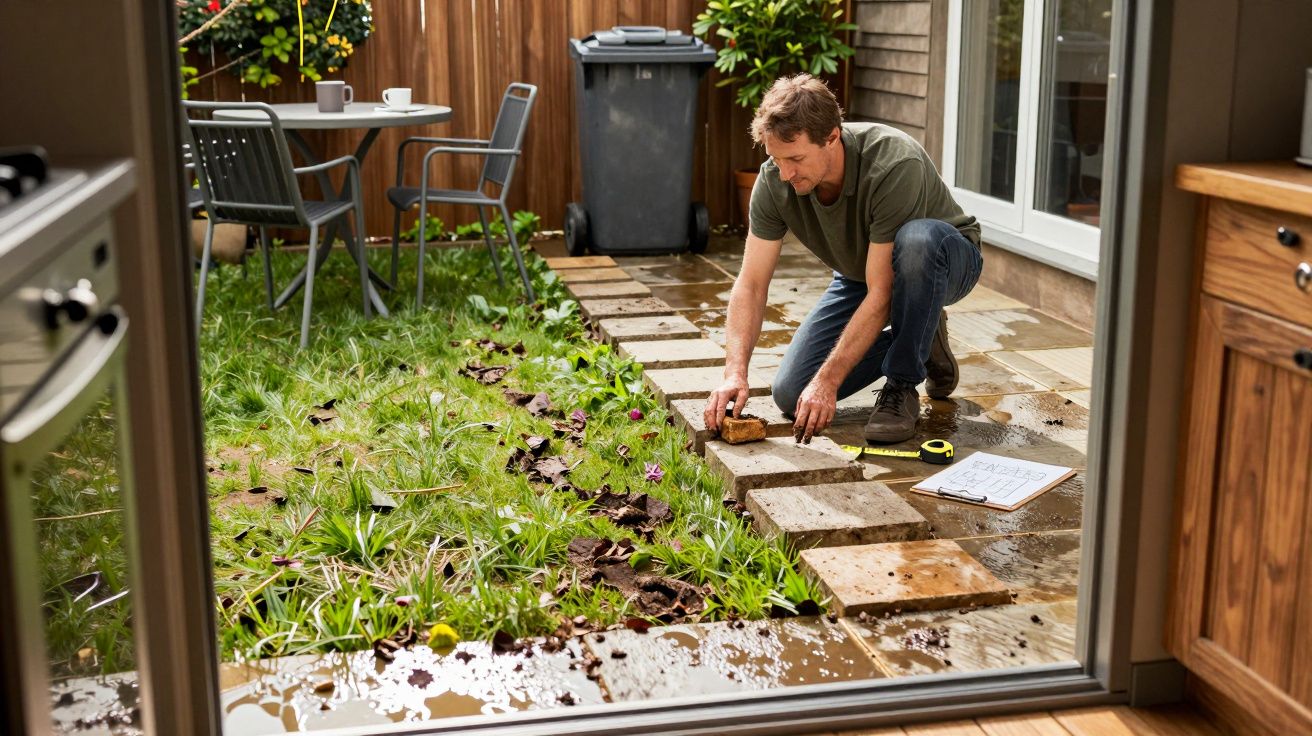
You know the moment: outdoor space transformation suddenly stops being a fun weekend project and becomes a clear-eyed audit, usually after a wet spring or a heatwave. People look at end-of-life gardens - the ones that have drifted into survival mode - and realise the space never actually worked for how they live. It’s relevant because most garden “fails” aren’t about taste; they’re about friction, and friction shows up in the daily stuff: where you walk, where you sit, what dies, what rots, what you avoid.
It often arrives quietly. A chair you never move into. A path you always shortcut. A “feature bed” that’s really just a place you store guilt.
The moment it clicks (and why it’s not your fault)
Gardens can look fine in photos and still function badly in real life. The layout might have been inherited, copied from a neighbour, or built around a single idea - a lawn, a deck, a “Mediterranean border” - without asking what the space needs to do on an average Tuesday.
The click usually comes with one stubborn pattern: you keep maintaining the wrong things. You mow what you never use. You water what never thrives. You spend money to keep a look going, not to make the place easier to inhabit.
Common triggers people mention:
- You stop inviting anyone round because there’s nowhere to sit that feels pleasant.
- Every downpour turns one section into a slip-and-slide.
- The bins have a longer, easier route than you do.
- Summer is too exposed; winter is too damp; spring is a mud tax.
- You have “planting”, but nothing is actually doing a job.
A garden that “works” isn’t perfect. It’s a space that supports your habits without constant negotiation.
How end-of-life gardens announce themselves
End-of-life doesn’t mean dead. It means the system - plants, surfaces, drainage, routines - has reached the end of its useful design life. You can keep patching it, but every patch makes the next problem sharper.
Look for these tells, because they’re diagnostic, not shameful:
- Maintenance keeps rising, results keep shrinking. You’re always doing something, yet it never looks settled.
- Bare soil appears in the same spots. Footfall and runoff are drawing a map of your actual routes.
- One plant type dominates by default. Not because you chose it, but because it’s the only thing that survives.
- The garden has no “dry” and “calm” zones. Everything is either exposed, soggy, or both.
- You can’t name the purpose of each area. It’s just “out there”.
A lot of people assume the answer is more planting, or a new fence, or a prettier pot collection. Often the answer is to redesign the flows: how you enter, where you pause, how water moves, where storage lives, what you see from inside.
A quick self-check you can do in ten minutes
Walk the garden as if you’re carrying a tray of mugs. Then walk it again as if it’s dark and you’re taking the rubbish out. The places you slow down, step around, or avoid are the real brief.
Write down three sentences:
- What do we do outside most often?
- What do we avoid outside most often?
- What do we keep maintaining that doesn’t repay us?
That list is more useful than any mood board.
The small design mistakes that create big daily annoyance
Most “never worked” gardens share a few structural issues. They’re not dramatic, just constant.
- Paths are implied, not built. People don’t walk on lawns; they create desire lines. If you don’t formalise them, you get churn and mud.
- Seating is placed for looks, not comfort. Too exposed, too far from the kitchen, too close to the wind tunnel.
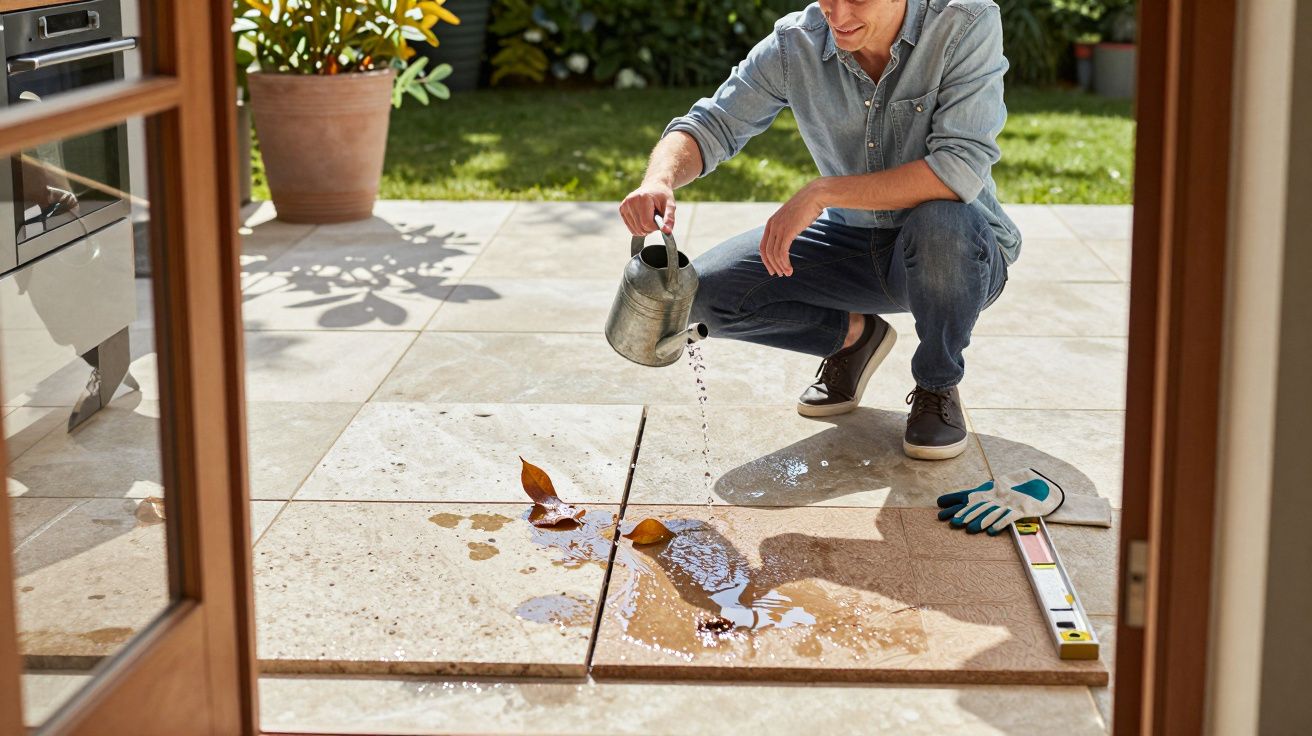
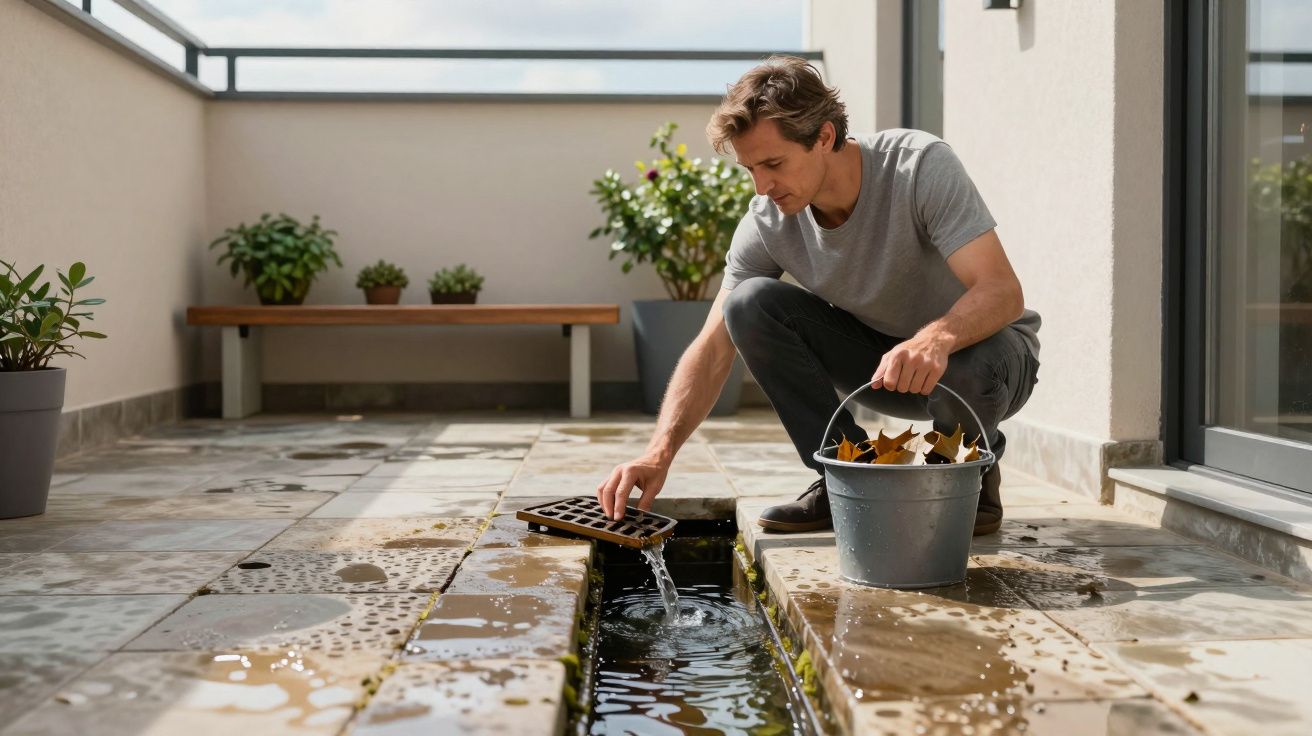
- Drainage is ignored. Water chooses the lowest point and makes its own plan. The garden either cooperates or suffers.
- Borders are too narrow for the plants chosen. Shrubs outgrow, perennials flop, everything becomes a trimming job.
- Storage is an afterthought. Hoses, toys, cushions and tools end up migrating into corners, then the corners start to feel messy.
If you fix one thing, fix the thing that saves you effort every week. Beauty tends to follow function, because a space you use gets cared for in a calmer way.
Outdoor space transformation that actually holds up
Outdoor space transformation sounds like a big reveal - before and after, a clean slate, a new aesthetic. In practice, the transformations that last are the ones that make the garden more legible: clear zones, clear routes, clear maintenance.
A solid order of operations looks like this:
- Water first. Where does it pool, run, or disappear? Add drainage, regrade, or choose surfaces that cope.
- Movement second. Lay paths where you already walk. Widen pinch points. Make the bin route effortless.
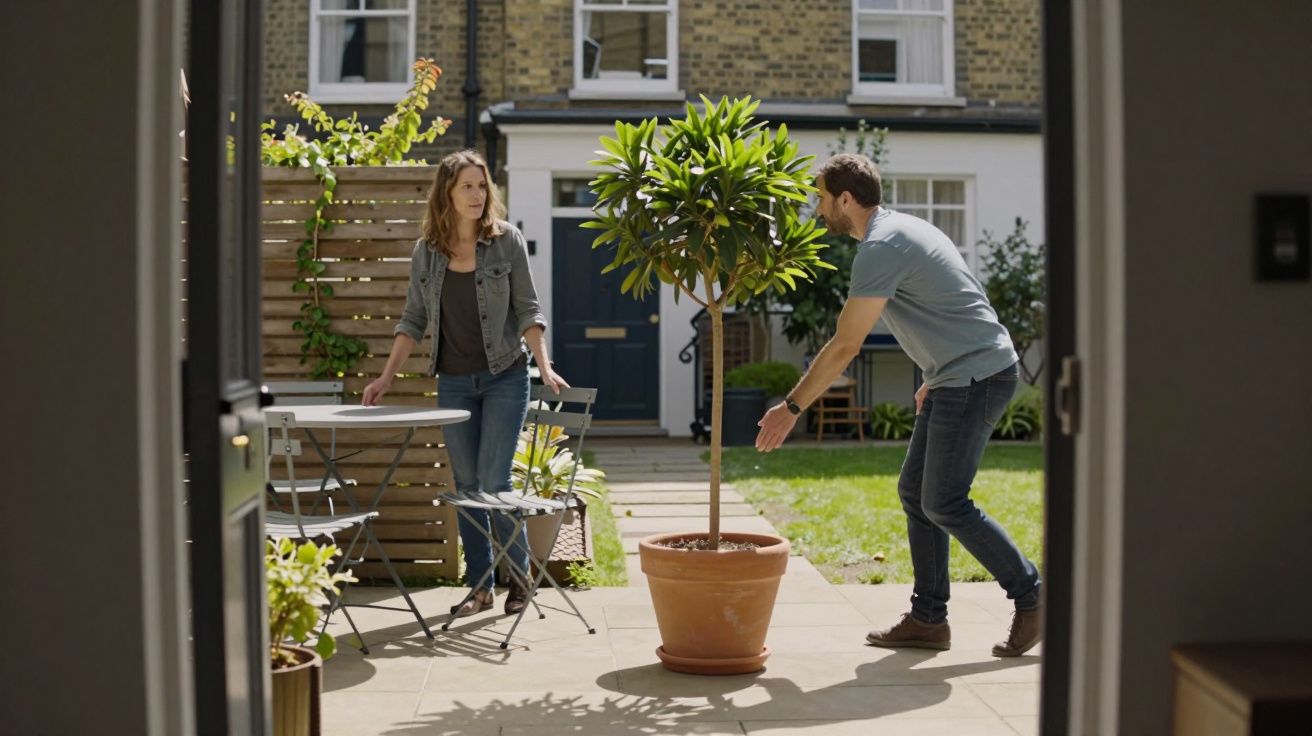
- Use third. Place seating where you’ll actually sit: sun when you want it, shade when you need it, a surface for a drink, and shelter from wind.
- Planting last. Choose plants to do jobs: screening, softness, pollinators, drought tolerance, winter structure.
If your garden is small, this matters even more. Small spaces don’t forgive vague layout. Every decision shows.
The goal isn’t a garden that photographs well once. It’s a garden that behaves well every day.
A “stop doing” list that saves most gardens
Before you buy anything new, stop feeding the parts that are failing by design.
- Stop trying to keep a lawn where nobody walks nicely and water doesn’t drain.
- Stop planting into exhausted soil without fixing structure and adding organic matter.
- Stop choosing plants because they looked good on a label, if the site conditions disagree.
- Stop treating shade, wind, and damp as personal enemies; they’re just constraints to design with.
- Stop adding features that don’t reduce friction (a fire pit you never light, a pond you never maintain, a bed you can’t reach).
Swap one guilty task for one enabling change. Even a simple stepping-stone run, or a widened gate, can change how the space feels.
What you carry forward when you admit it never worked
There’s a peculiar relief in naming it. You’re not “bad at gardening”. You were maintaining a layout that didn’t match your life, on a site that had its own rules.
Once you see that, you stop asking, “How do I make it look better?” and start asking, “What do I want this space to do?” That’s when a tired, end-of-life garden becomes a plan, and a plan becomes a place you actually step into.
FAQ:
- What counts as an end-of-life garden? One where the layout, surfaces, drainage and planting have reached the point that constant patching is the only way it stays presentable, and the space no longer supports how you use it.
- Do I need to rip everything out to fix a garden that never worked? Not usually. Start with water and movement: drainage fixes, clear paths, and better access often unlock the rest without a full rebuild.
- What’s the fastest win in an outdoor space transformation? Make one route easy and clean (typically kitchen-to-seating or door-to-bins). If you remove daily friction, the garden immediately feels more usable.
- When should I bring in a professional? If drainage is severe, levels need changing, or you’re spending money repeatedly without progress. A clear plan is cheaper than years of reactive fixes.



Comments (0)
No comments yet. Be the first to comment!
Leave a Comment