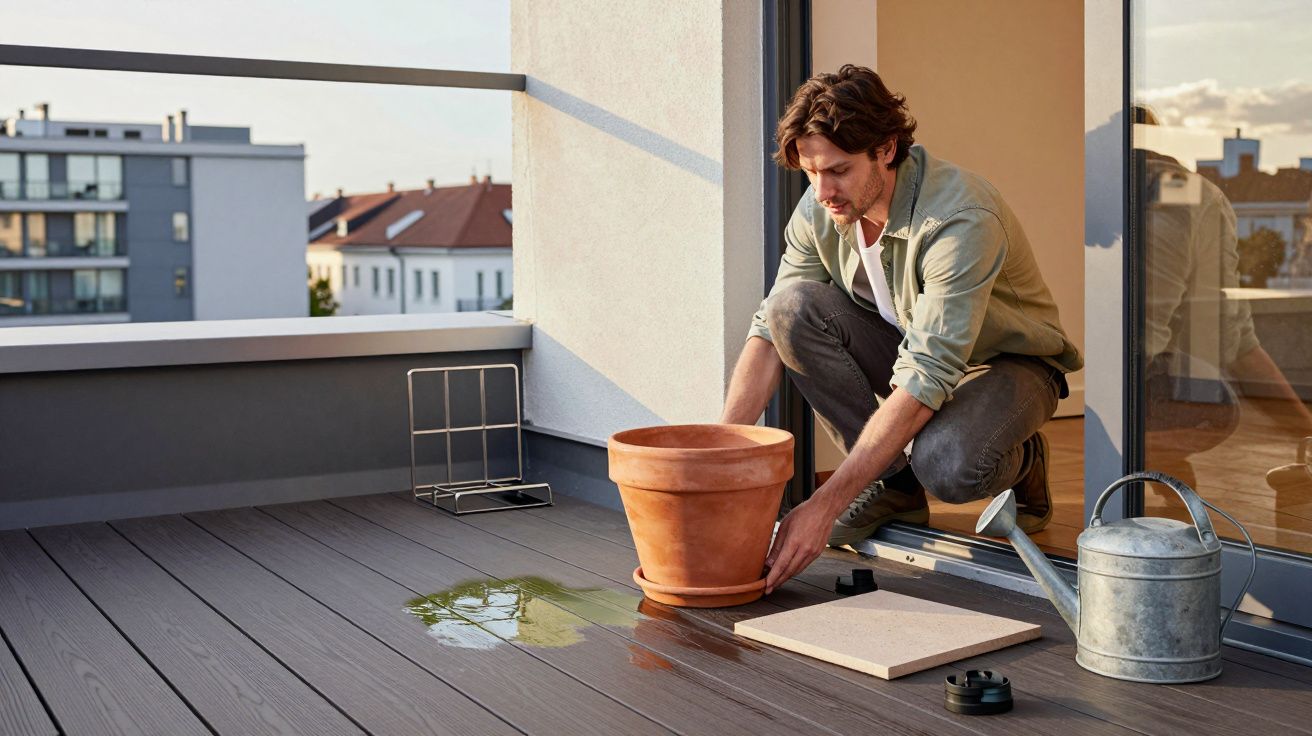
The first time I understood how much materials & surfaces decide the fate of an urban garden, it wasn’t in a glossy showroom. It was on a windy roof terrace above a busy road, one of those types of urban spaces where everything dries out faster than you expect and nothing stays “low maintenance” for long. The owner had bought the right plants and the wrong floor, and the whole place felt hotter, louder, and more slippery than it needed to be.
We talk about soil and sunlight because they’re romantic, but in cities the hard parts are often literal. What you walk on, lean planters against, fix trellis to, and wash down after a barbecue becomes the garden’s real daily interface. The coming years will bring new “sustainable” materials to the market, but the real question is simpler: what survives grime, frost, shade, and human shortcuts?
The next wave is less about novelty, more about behaviour
The sales pitch is already familiar: recycled content, carbon savings, modular systems, “urban-proof” finishes. Some of it is genuinely better. Some of it fails in exactly the same way older materials failed-just with nicer branding.
A landscape contractor in Hackney put it to me in a sentence that felt almost unfairly practical:
“A good surface is one you’ll still like when it’s wet, dirty, and you’re carrying a watering can.”
That’s the bar. Not “looks good in May”. Not “wins points on a sustainability checklist”. Wet, dirty, heavy, repetitive.
Materials that are likely to win (because they forgive real life)
Permeable paving (when it’s installed like it matters)
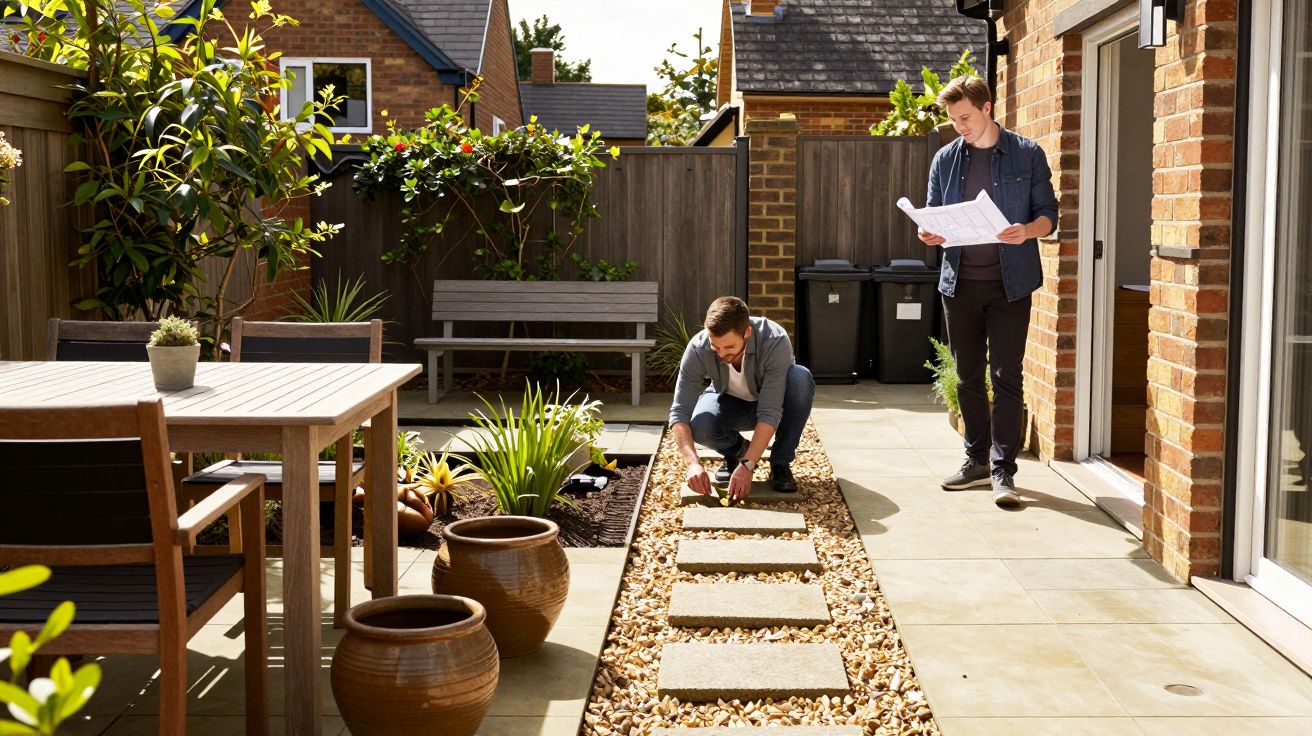
Permeable setts, resin-bound gravel (properly specified), and permeable concrete blocks are gaining ground because stormwater is now a design constraint, not an afterthought. In small courtyards and shared mews, it’s the difference between a usable space and a puddle you tiptoe around for nine months.
The catch is boring: the base. If the sub-base is wrong or the falls are ignored, you don’t get permeability-you get trapped water and silt. And once pores clog, the “magic” stops.
What works in practice: - A well-graded sub-base and clean edge detailing so fines don’t migrate in. - A maintenance plan that includes occasional vacuum sweeping, not just a token hose-down. - Acceptance that “permeable” doesn’t mean “never weeds”.
Clay and brick in small doses (the comeback of honest wear)
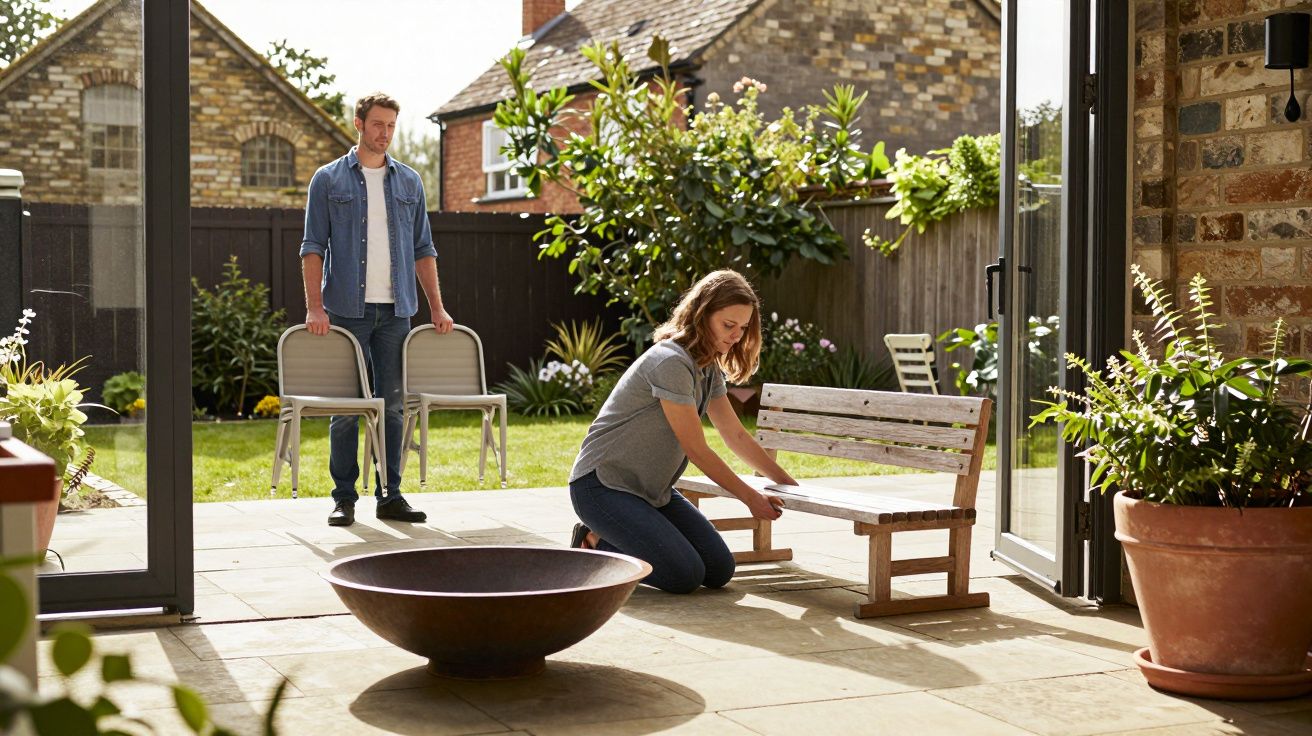
In sheltered courtyards and pocket gardens between buildings, clay pavers and reclaimed brick age well because their patina reads as character, not failure. They also handle heat better than some dark composites, which matters on balconies and rooftop decks where reflected sun can cook a space.
But they need thought around salts and staining. Urban gardens see fertiliser splash, dog traffic, spilled wine, soot, and leaf tannins. Brick forgives, but it also remembers.
Best use cases: - Courtyards with partial cover. - Edges, thresholds, and paths where scuffs are inevitable and acceptable. - Raised bed facings where the vertical plane keeps staining more controlled.
Stainless steel, aluminium, and galvanised finishes (for the parts you touch)
For handrails, brackets, cable trellis, and planter trims, metal is having a quiet moment because it’s predictable. In exposed roof gardens, timber fixings loosen and cheap powder coat chalks; good metal simply sits there and does its job.
Don’t confuse “metal” with “maintenance-free”, though. Coastal air, road salt, and plant fertilisers can be surprisingly aggressive.
Practical guardrails: - Keep dissimilar metals apart to avoid galvanic corrosion. - Detail water run-off so it doesn’t streak onto pale paving. - Choose finishes you can clean without special products or guilt.
What fails in real life (even when it looks perfect on day one)
Composite decking that overheats, warps, or turns into a skid risk
Composite decking is often sold as the answer to urban life: no splinters, no staining, minimal upkeep. Then summer hits, and on a south-facing balcony it can become unwalkable in bare feet. Then winter hits, algae moves in, and suddenly it’s a slip hazard exactly where you least want one: the door threshold.
The other failure is psychological. People buy composite to avoid maintenance, so they don’t clean it regularly. In the city, airborne grime and soot make that choice visible fast.
If you insist on it: - Avoid the darkest colours in high-sun rooftop settings. - Specify boards with proven anti-slip performance when wet, not just marketing language. - Plan for cleaning like it’s a weekly routine, not a spring ritual.
“Eco” timber with the wrong detailing
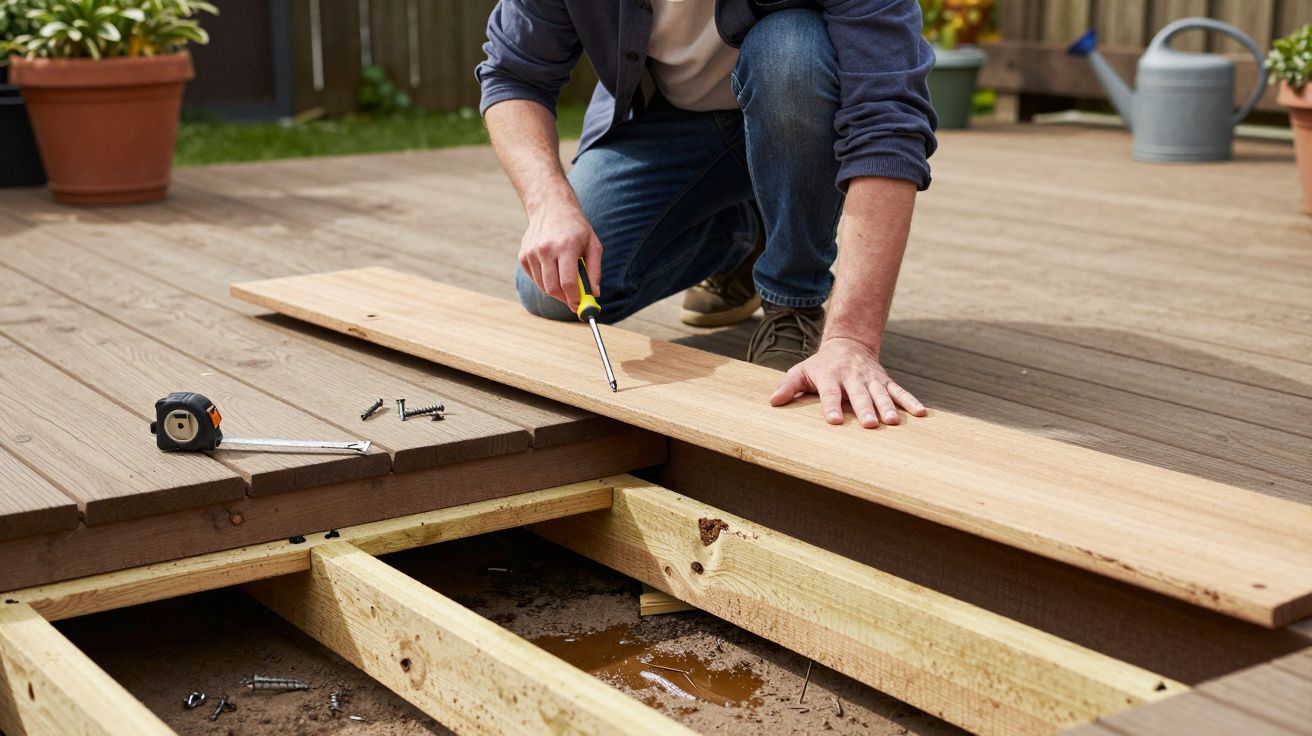
Thermally modified timber, acetylated wood, and well-specified larch can be brilliant. The failure is almost always at the edges: trapped water, no airflow, planter feet sitting directly on boards, or hidden fixings that become hidden rot.
Urban gardens intensify this because surfaces stay damp in shade corridors between buildings, and wind-driven rain finds every seam.
Two common mistakes: - No ventilation gap beneath decking (especially on concrete slabs). - Planters placed directly on timber without risers, creating permanent wet patches.
Painted concrete and cheap sealers that flake under city wear
Concrete is honest until you try to make it something else. Thin coatings and budget sealers look great for a season, then flake where chairs scrape, or peel where a bit of winter de-icer lands. On rooftop terraces, the thermal cycling is brutal: hot days, cold nights, constant expansion and contraction.
If you want concrete, treat it like concrete. Choose aggregates, finishes, and joints you can live with for a decade.
Match the material to the type of urban space, not the trend
Balconies, rooftops, courtyards, front steps, communal podium decks-each pushes materials differently. Wind exposure, shade, access for cleaning, and how often people cross the surface matter more than the brochure.
A simple way to choose is to think in three daily-life questions: 1. How will this feel when it’s wet? Grip matters more than aesthetics once you’ve slipped once. 2. How will this look when it’s dirty? City dust is a finish of its own. 3. Can I clean it with what I actually use? If it needs specialist products, it won’t get done.
Soyons honnêtes: nobody really does that every day. So pick finishes that don’t punish you for skipping a week.
A quick “future-proof” checklist you can actually use
- Prefer lighter, heat-managing tones on sunny rooftops; avoid surfaces that amplify glare.
- Build in drainage and airflow as design features, not hidden afterthoughts.
- Use sacrificial elements (gravel strips, threshold mats, planter feet) where wear concentrates.
- Choose fixings and edges like they’re part of the material-because they are.
- When in doubt, test a small area through a season before committing to the whole space.
| Point clé | Détail | Intérêt pour le lecteur |
|---|---|---|
| Permeability is becoming standard | Permeable paving works only with the right sub-base and upkeep | Less flooding, fewer puddles, calmer courtyards |
| Heat and slip are the hidden failures | Dark composites overheat; smooth finishes become dangerous when wet | Surfaces that stay usable in real weather |
| Detailing beats material hype | Ventilation gaps, edges, and fixings decide longevity | Fewer repairs, less regret, longer life |
FAQ:
- Are permeable surfaces worth it for a tiny courtyard? Yes, if puddling is a problem and you can commit to basic maintenance. The installation (especially the sub-base) is what makes it succeed.
- What’s the most common mistake with rooftop gardens? Choosing a surface for looks and forgetting heat, wind exposure, and cleaning access. Rooftops magnify every weakness.
- Is composite decking always a bad idea? No, but it’s often mis-specified. Avoid dark colours in high sun, prioritise wet slip performance, and accept it still needs cleaning.
- How do I stop timber decking failing early? Ensure airflow underneath, keep planters off the boards with feet/risers, and detail edges so water can’t sit and soak.
- What’s a safe “default” for urban garden hardware? Good-quality stainless steel or properly galvanised fixings and brackets, detailed to shed water and avoid contact between dissimilar metals.



Comments (0)
No comments yet. Be the first to comment!
Leave a Comment