Complete garden renovations can look like a luxury move-new paving, smarter drainage, crisp lighting-but the best ones are really property value enhancements dressed up as “nice to have”. Done with a clear plan, a garden rebuild can reduce ongoing maintenance, fix recurring damp issues, and make the house photograph and show better, fast. The trick is to spend where buyers and surveyors notice, and to avoid “pretty” work that hides structural problems.
Some upgrades feel expensive because they’re visible and tidy. The payback comes because they remove uncertainty: standing water, slippery paths, awkward access, and the sense that the outdoor space is “a project”.
Why certain garden upgrades pay back faster than the fancy bits
Most gardens don’t fail because they lack a pergola. They fail because they’re hard to use, messy in winter, and costly to keep looking decent. If your outdoor space doesn’t drain, doesn’t light well, or forces people to tiptoe around bins and side gates, you’re leaving value on the table.
Buyers don’t price in your dream planting scheme; they price in “How much work will this be?” and “Will it stay dry?”
The quickest wins in complete garden renovations tend to be the ones that make the space feel finished, safe, and low-drama in all seasons.
1) Drainage that stops the winter misery (and the damp anxiety)
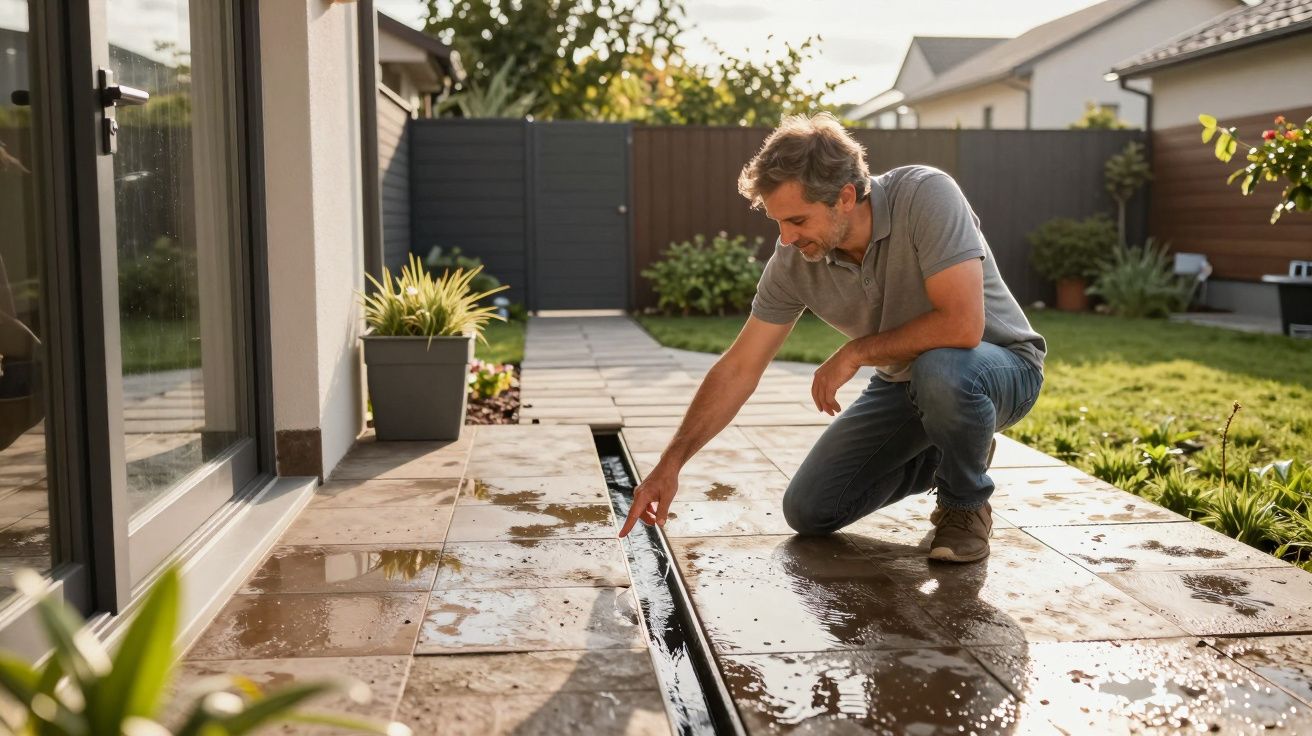
If there’s one upgrade that “feels boring” but sells brutally well, it’s controlling water. Standing puddles, algae on paving, and boggy lawns signal neglect, even if the house is immaculate.
What pays back quickly isn’t ripping everything out-it’s solving the route water takes.
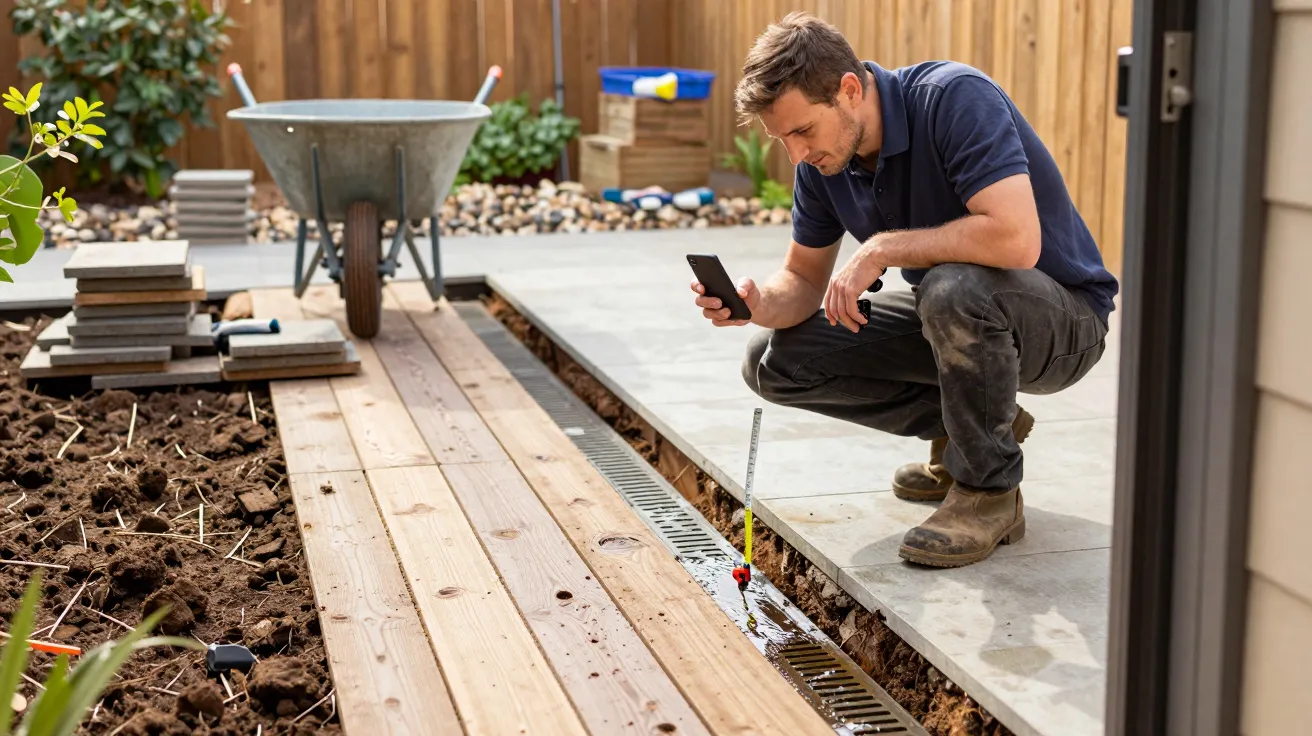
- Add a simple ACO channel drain across problem thresholds (patio-to-house, garage door, side passage).
- Regrade the worst areas so water falls away from the building.
- Swap impervious paving sections for permeable alternatives (or add gravel bands and soakaways).
- Fix downpipe outfalls so they don’t dump straight onto paths or borders.
What “good” looks like in practice
You want a garden that dries within a day after rain, with no green slick on the main route to the back door. That single change turns an outdoor space from “seasonal hassle” into “usable all year”, which is exactly the kind of property value enhancement people feel in their bones during viewings.
2) A hardwearing, coherent patio (not just more paving)
A patio is the garden’s floor. When it’s cracked, wobbly, mismatched, or too small for a table, the whole space reads as temporary. The expensive-looking version is usually not the priciest slab-it’s the layout, edging, and finish.
To get the “new-build tidy” effect without overspending:
- Choose one main paving material and repeat it (avoid three different styles fighting).
- Add proper edging to stop creep and movement.
- Build in a clean threshold detail at the back door (no trip lips, no messy gaps).
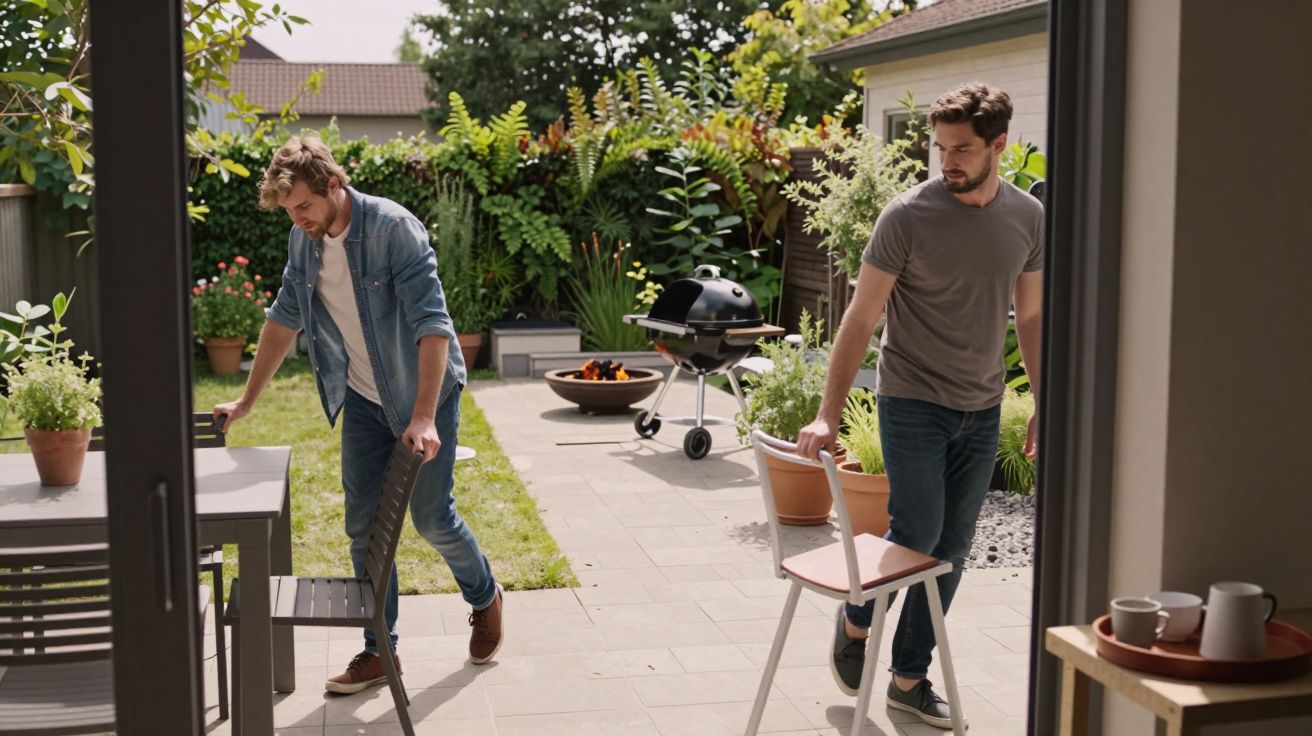
- Make the patio big enough for real use: table + chairs + circulation space.
People forgive small gardens. They don’t forgive awkward ones.
If budget is tight, spend on the base and falls first, then pick a mid-range paver. A cheap slab on a great sub-base looks expensive; a premium slab on a bad base looks like a dispute waiting to happen.
3) Lighting that makes the garden feel “included” in the house
Outdoor lighting is a value hack because it changes the perceived size of the home in the evening. It also makes access safer-steps, side returns, bins-without turning the garden into an airport runway.
A simple, high-impact lighting plan:
- One warm wall light by the back door (usable, not decorative-only).
- Low-level path lights or spike spots aimed at the route, not your eyes.
- Two “feature” uplights on a tree, multi-stem shrub, or textured wall/fence panel.
- PIR lighting at side access for security and convenience.
Keep it warm (around 2700K), keep it discreet, and hide cables properly. The payback is immediate in photos and viewings: the garden stops being a dark unknown and starts reading as an extra room.
4) A straight, practical path that fixes daily friction
Paths are unglamorous until you live with a bad one. Wobbly stepping stones, muddy shortcuts, and tight side passages make the garden feel like work.
A good path does three things: it’s wide enough for two people to pass, it stays non-slip, and it connects the places you actually go-back door, shed, bin store, side gate, seating area.
Materials that “look expensive” because they’re tidy and consistent:
- Large-format concrete porcelain (installed properly with correct base).
- Resin-bound gravel (great for permeability, but only as good as the installer).
- Simple brick or setts as edging details to sharpen cheaper surfacing.
5) Fencing and screening that makes the space feel private (and finished)
Privacy sells. So does the sense that boundaries are “sorted”. Old leaning panels, mismatched heights, and visible gaps read as upcoming cost and neighbour hassle.
Fast-payback approach:
- Replace only the visible runs if the rest is serviceable.
- Standardise height and panel style so it reads intentional.
- Add one strong screening element-slatted panel, trellis with evergreen climber-where privacy matters most (patio sightlines, hot tub dreams, overlooked corners).
In complete garden renovations, this is where “expensive” often just means “consistent”. Consistency is what photographs well.
6) Storage that hides the unpretty life (bins, bikes, tools)
You don’t need a designer garden. You need a place for the bin to exist without ruining the view.
A small bin store or slimline shed can deliver disproportionate value because it removes visual clutter. Place it where it’s logical (near the gate, near the kitchen route), ventilate it, and match materials to fences or house trim so it blends.
- Bin store with a planted top or simple slatted front
- Bike shelter that keeps the side passage clear
- Small tool store so the patio stops being a holding pen
This is “payback” in daily sanity as much as resale.
A quick way to choose what to do first (and what to skip)
Use this ranking when budgeting your property value enhancements:
- Fix water and safety first: drainage, falls, steps, slippery routes.
- Create one strong “main space”: patio + path + lighting as a set.
- Tidy boundaries and clutter: fencing consistency, screening, storage.
- Only then spend on planting schemes and decorative features.
What to be wary of if you want fast returns: a lot of bespoke carpentry, fussy planting that needs weekly attention, and anything that looks great for two summers but ages badly (cheap artificial grass, flimsy decking in shade, novelty water features with nowhere to drain).
Cost-to-impact snapshot (realistic, not dreamy)
| Upgrade | Why it looks expensive | Why it pays back fast |
|---|---|---|
| Drainage & regrading | Invisible groundwork | Removes “future problems” and damp worries |
| Patio + proper base | Crisp finish, clean lines | Makes the garden usable and photos well |
| Lighting plan | “Designed” feel at night | Adds safety and makes space feel larger |
FAQ:
- Do I need planning permission for these upgrades? Often not for like-for-like patios, paths, and fencing, but rules vary (especially for front gardens, drainage changes, listed buildings, and boundary heights). Check your local authority guidance before committing.
- What’s the quickest win if I can only do one thing? Fix drainage and the main route (back door to seating/shed). A dry, safe, clean-access garden changes how the whole property feels.
- Is porcelain paving always worth it? It can be, but only with the correct sub-base and installation. Poorly laid porcelain looks “cheap expensive” very quickly-wobbles, ponding, and lippage undo the premium feel.
- Will planting add value as much as hard landscaping? Planting helps, but hard landscaping usually delivers the faster, more reliable payoff because it reduces perceived work and risk for the next owner.




Comments (0)
No comments yet. Be the first to comment!
Leave a Comment