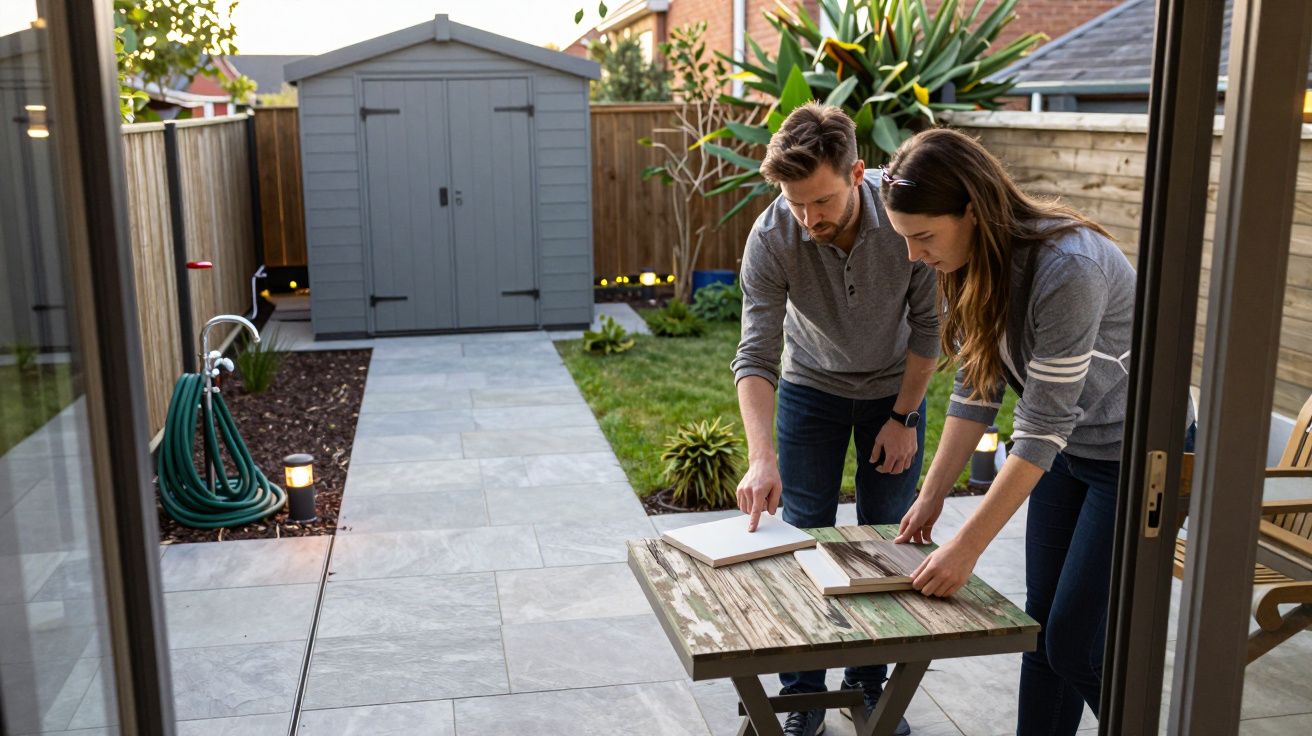
You don’t usually notice how much a garden affects a house until you try to sell it. Complete garden renovations have become one of the clearest, most visible routes to property value enhancements, because buyers now read the outside space as extra living space - not just “nice to have”. The decisions you make in a rebuild today can either date quickly, or quietly compound value for years.
There’s also a psychological trick at play. A neat kitchen can win hearts, but a garden that feels usable, low-fuss and well-planned makes people assume the entire home has been looked after. It’s not magic; it’s signals.
The new buyer mindset: “Can I use this space without becoming a groundskeeper?”
Picture a viewing on a grey Saturday. The agent opens the back doors and everyone steps out, clutching coffee, trying to imagine summer. The garden doesn’t need to be huge - it needs to make sense.
The highest-value gardens right now share a theme: they reduce uncertainty. They show where you’d sit, where you’d store things, where kids might play, how water drains after a storm, and how much work it’ll take to keep it looking like the photos.
That’s why the best rebuild decisions aren’t always the showiest. They’re the ones that answer the silent buyer questions before they’re even asked.
The “structure first” rule that stops renovations ageing badly
A garden can be full of lovely features and still feel like a to-do list. The quickest way to avoid that is to prioritise structure - the bones - before you spend money on finishes.
Think in layers: levels, access, drainage, boundaries, power, lighting, then planting. If you get those right, the garden stays adaptable. If you get them wrong, every future tweak becomes expensive.
The structural priorities that tend to hold value are surprisingly consistent:
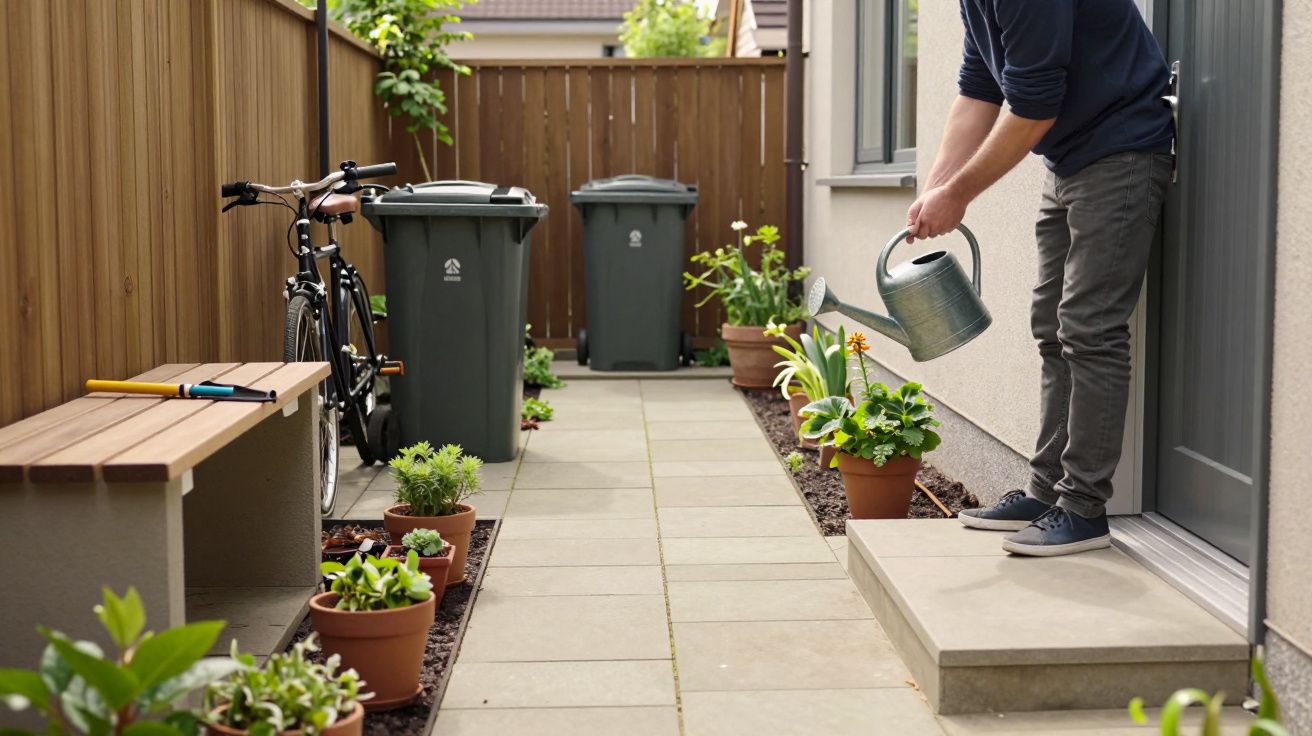
- Clear routes: a proper path from house to shed/bins, not a muddy compromise.
- Proper levels and edges: defined borders that make mowing and maintenance easy.
- Drainage you don’t have to think about: permeable areas, sensible falls, and no “mystery puddle” by the patio.
- Boundaries that look intentional: fencing that matches the home’s tone and won’t need replacing in two winters.
Patios, paving and decks: choose the boring option (in the right way)
This is where many gardens lose value: trendy surfaces that photograph well and then become slippery, stained, warped or high-maintenance. Buyers spot it faster than owners expect.
For long-term appeal, surfaces need to be durable, safe, and easy to clean. In most UK gardens that means leaning towards stone, porcelain or well-installed concrete finishes rather than anything that needs constant sealing, sanding or delicate care.
A practical way to decide is to ask one question: What will this look like in February? If the answer is “green, slick, or sad”, it’s not helping resale.
Small details that read as “quality” to buyers
- Edging that doesn’t wobble or crumble
- Wide enough steps (especially for families and older buyers)
- A patio that’s big enough for a table and circulation, not just a token square
- Finishes that match the house style (Victorian terrace vs new-build vs rural cottage)
Outdoor power, lighting and water: the hidden upgrades buyers pay for
You can’t easily “see” electrics in a garden, but you feel them. A garden with a couple of sockets, sensible lighting and a tap in the right place reads as more functional, and functionality sells.
Lighting especially has changed. People don’t want fairy lights as a workaround; they want a space that works in the darker half of the year. Not stadium-bright - just safe, warm and deliberate.
If you’re rebuilding, plan these early:
- External sockets (with proper protection and certification)
- Low-glare path lighting and a few wall lights near doors
- A tap positioned for both watering and cleaning muddy boots/paws
- Optional: power run to a future office or hot tub area, even if you don’t install it now
It’s the same principle as good storage indoors. Not exciting - but it removes friction from everyday life.
Low-maintenance planting is not “soulless” - it’s sellable
There’s a myth that value means lush borders and specialist planting. In reality, the average buyer wants greenery without the fear of failure.
The gardens that tend to translate best at resale use simple planting shapes, repetition, and a mix of evergreen structure with seasonal interest. They also avoid anything that screams “this will take over”.
Planting choices that often age well:
- A few small trees for height (kept proportionate to the space)
- Evergreens for year-round shape
- Perennials that don’t require constant dividing and staking
- Clear beds with mulch, so it looks finished even when flowers fade
And if you love bold planting, you can still do it. Just anchor it with a framework that looks tidy in winter.
The real value flex: flexible zones, not fussy features
A garden rebuild that increases value isn’t necessarily one with a pizza oven, a pond and a built-in daybed. Those can be lovely, but they also narrow the pool of buyers.
What sells across the widest range of people is a garden that offers options. A dining spot, a bit of lawn or play area, a corner that could be a veg bed, and a space that could become an office or studio later.
A simple zoning plan might look like this:
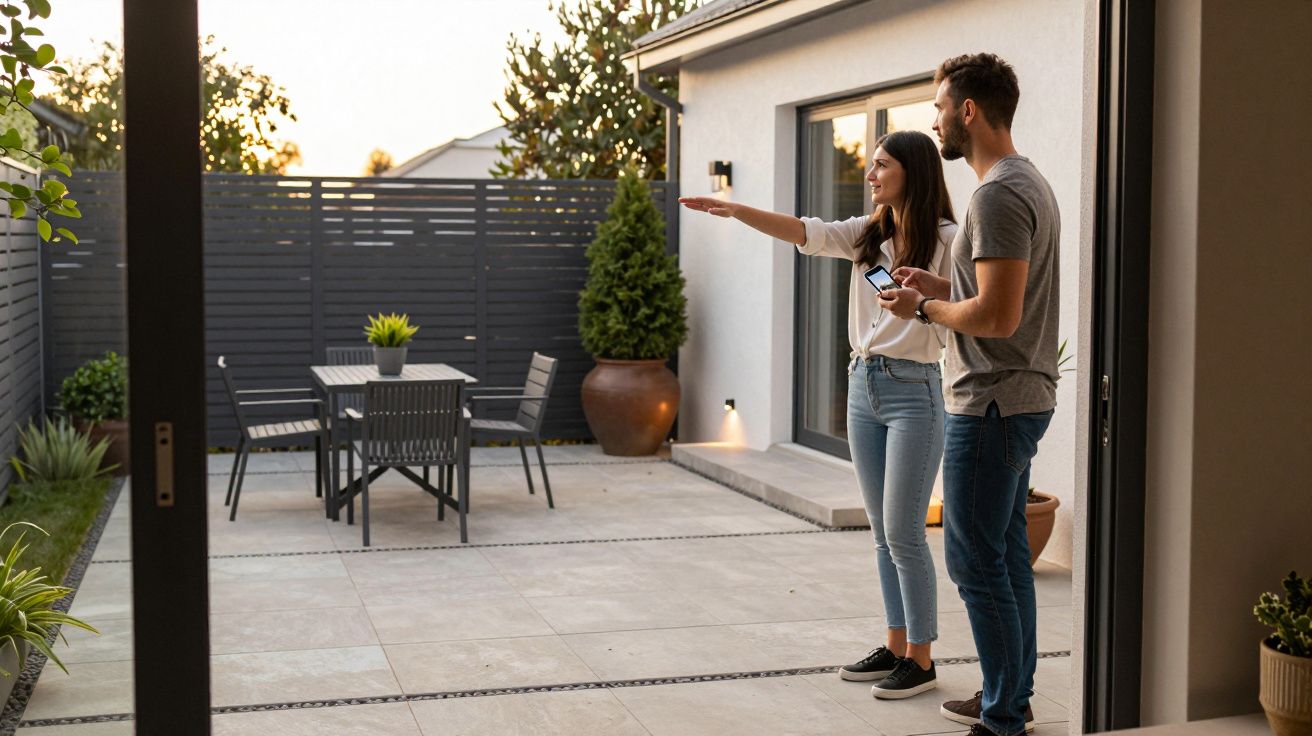
- Near the house: hard surface for dining and day-to-day use
- Middle: adaptable open space (lawn, gravel, or a multi-use area)
- Back/side: storage and “future project” zone (shed, greenhouse, office)
When a buyer can picture different versions of their life in the same garden, they offer more confidently.
What to prioritise if you can’t do everything at once
Budgets are real, and gardens are deceptively expensive. If you want value gains without doing the entire dream plan immediately, spend on the things that are hardest to retrofit later.
A sensible priority order often is:
- Groundworks and drainage
- Access, levels, and retaining edges
- Patios/paths (with proper sub-base)
- Boundaries and screening
- Lighting/power/water points
- Planting and decorative finishes last
This approach also protects you from the classic mistake: spending on pretty surfaces and then digging them up to fix water, wiring or levels.
The rebuild decisions that keep paying off
A garden doesn’t add value because it’s “nice”. It adds value because it lowers risk, improves daily living, and looks like it will still work in five years.
If you’re choosing between features, lean towards the ones that stay useful regardless of fashion: good drainage, simple materials, flexible zones, and infrastructure that makes the space easy to live with. The garden that sells best is rarely the cleverest one. It’s the one that feels inevitable.
FAQ:
- Do complete garden renovations always add more value than a partial refresh? Not always. A full rebuild tends to help most when the existing garden has fundamental issues (poor drainage, awkward levels, unsafe decking, failing boundaries) that a surface refresh can’t hide.
- Is decking a bad idea for resale? Not inherently, but it’s higher-risk than many hard surfaces. If you choose decking, buyers respond best to sturdy construction, slip-resistant finishes, and clear evidence it won’t warp or rot quickly.
- What’s the safest “modern” material choice right now? In many UK gardens, good-quality porcelain paving or well-chosen natural stone tends to stay attractive and low-maintenance, provided the groundworks and drainage are done properly.
- Should I prioritise lawn or patio space? Many buyers prefer a balance. A usable patio near the house often matters more than a perfect lawn, but a small open green space can widen appeal for families and pet owners.



Comments (0)
No comments yet. Be the first to comment!
Leave a Comment