
Garden transformations are having a moment, especially in urban gardens where every square metre feels like it has to earn its keep. Scroll for five minutes and you’ll see the same makeover repeated: a clean sweep, a hard reset, a garden that looks “finished” in a weekend. It’s relevant because it’s expensive, disruptive, and-quietly-often the thing that makes small gardens harder to live with.
You know the one. Before: a bit scruffy, slightly shady, a corner that collects pots, a lawn that never really thrives. After: porcelain paving, a stripe of artificial grass, black fencing, a pergola with fairy lights, and a tidy line of planters that somehow always look thirsty.
It photographs beautifully. It also fails in real life for a surprising number of households.
The makeover everyone wants: the “zero‑maintenance” hardscape garden
The dream is simple: no mud, no mowing, no weeds, no guilt. Just a clean surface you can jet‑wash twice a year and call it a day, plus somewhere to sit with a coffee while your phone tells you you’ve “upgraded” your life.
In practice, the popular formula tends to look like this:
- Replace soil and planting beds with large-format paving or composite decking
- Add artificial turf “for greenery”
- Remove shrubs and trees to “open it up” and reduce leaf litter
- Push planting into a few raised planters around the edges
It’s not that any one of these elements is evil. It’s the full reset-the idea that living gardens are a problem to be engineered out-that causes the trouble.
Why it goes wrong (especially in urban gardens)
The failure rarely shows up on day one. It shows up on the first heatwave, the first heavy rain, the first summer where you try to sit outside for more than ten minutes.
1) It turns into a heat trap
Hard surfaces absorb and re-radiate heat. In dense neighbourhoods, that stacks with the heat already held by brick walls, dark fences, and neighbouring extensions. The result is a patio that feels like a griddle and a house that stays warmer into the evening.
If you’ve ever stepped barefoot onto new paving in July and immediately regretted your choices, you know the feeling. Shade becomes the main event, and suddenly the “open” garden feels oddly hostile.
2) Drainage becomes your problem, fast
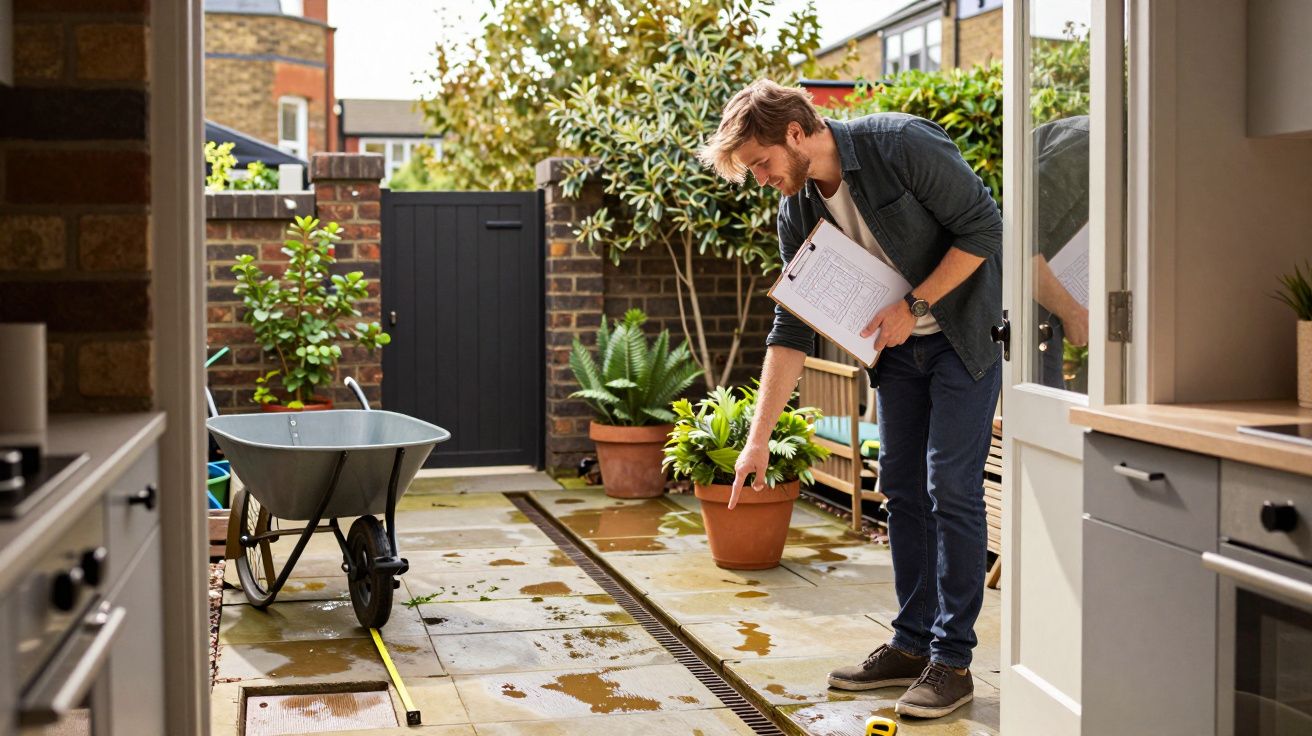
Soil is a sponge. Plants slow down water. When you replace a garden with hardscape, you’re asking rain to go somewhere else-often towards your house, your neighbour’s wall, or the lowest point where water will sit and sulk.
Even when permeable options are used, they’re only as good as the base, the falls, and the long-term maintenance. In small plots, there isn’t much margin for error, and “a bit of standing water” becomes slippery algae, damp smells, and constant cleaning.
3) “Low maintenance” becomes “high cleaning”
A planted garden asks for seasonal care. A hardscape garden asks for frequent cleaning because every speck is visible.
- Paving shows stains, bird mess, and the ghost of every spilled drink
- Artificial grass traps debris and can smell in hot weather if pets use it
- Decking grows algae in shade and becomes a slip hazard
- Black fencing fades, streaks, and highlights every scratch
You don’t end up gardening less. You just swap pruning for scrubbing, and it’s a job you can’t ignore because the whole garden is one big “surface”.
4) You lose the soft benefits you didn’t realise you were relying on
A bit of planting does more than look nice. It cools air, muffles noise, filters dust, provides privacy, and makes the space feel alive rather than staged.
When it’s all removed, people often report a strange disappointment: the garden is technically “tidy”, but it doesn’t feel restful. Birds stop visiting. The breeze feels harsher. Your neighbour’s upstairs window suddenly feels closer.
The money part nobody mentions in the makeover videos
Hard landscaping is not a cheap shortcut. It’s often the most expensive route, because you’re paying for removal, disposal, sub-base, materials, labour, and then the fixes when something settles or drains badly.
There’s also a resale myth floating around: that a fully paved garden is universally desirable. Plenty of buyers love a smart terrace. Plenty also see a paved plot and think, “Right-so I’ll have to undo that.”
If you’re doing this to add value, it’s worth being brutally honest: you might be spending thousands to create a look that dates quickly and limits the next person’s options.
The “keep the life, reduce the hassle” alternative that actually works
Most people don’t hate gardening. They hate feeling behind. They hate weeds that appear overnight, plants that die for no clear reason, and the sense that the garden is another room they’re failing to manage.
A better goal is not “no maintenance”. It’s “forgiving maintenance”.
A simple rule that changes everything: keep 60% planted
In small spaces, you usually get the best day-to-day experience when the majority of the area remains permeable and planted, even if the planting is simple. That might be:
- One comfortable patio or deck zone that’s genuinely big enough for your furniture
- Curved or straight beds around it with shrubs and groundcover (to suppress weeds)
- A small tree or multi-stem shrub for shade and height
- Gravel or bark paths where you need access, not everywhere “for style”
It looks softer, feels cooler, drains better, and ages more gracefully. And it still photographs well-just with less of that showroom stiffness.
Choose plants that behave in real life
If you’ve got urban shade, reflected heat, wind tunnels, or dry soil (you probably do), plant for that reality. The secret is not rare specimens; it’s robust structure.
- Evergreen shrubs for year-round shape and privacy
- Groundcover to stop bare soil turning into a weed invitation
- Climbing plants for vertical green without losing floor space
- One or two statement plants you actually like looking at every day
This is where garden transformations become sustainable: not a dramatic before-and-after, but a space that still works in February and doesn’t punish you in August.
If you still want the look, do it in a way you can undo
Sometimes the heart wants what it wants. If you love the crisp, modern vibe, you can borrow the aesthetic without the irreversible choices.
A few safer swaps:
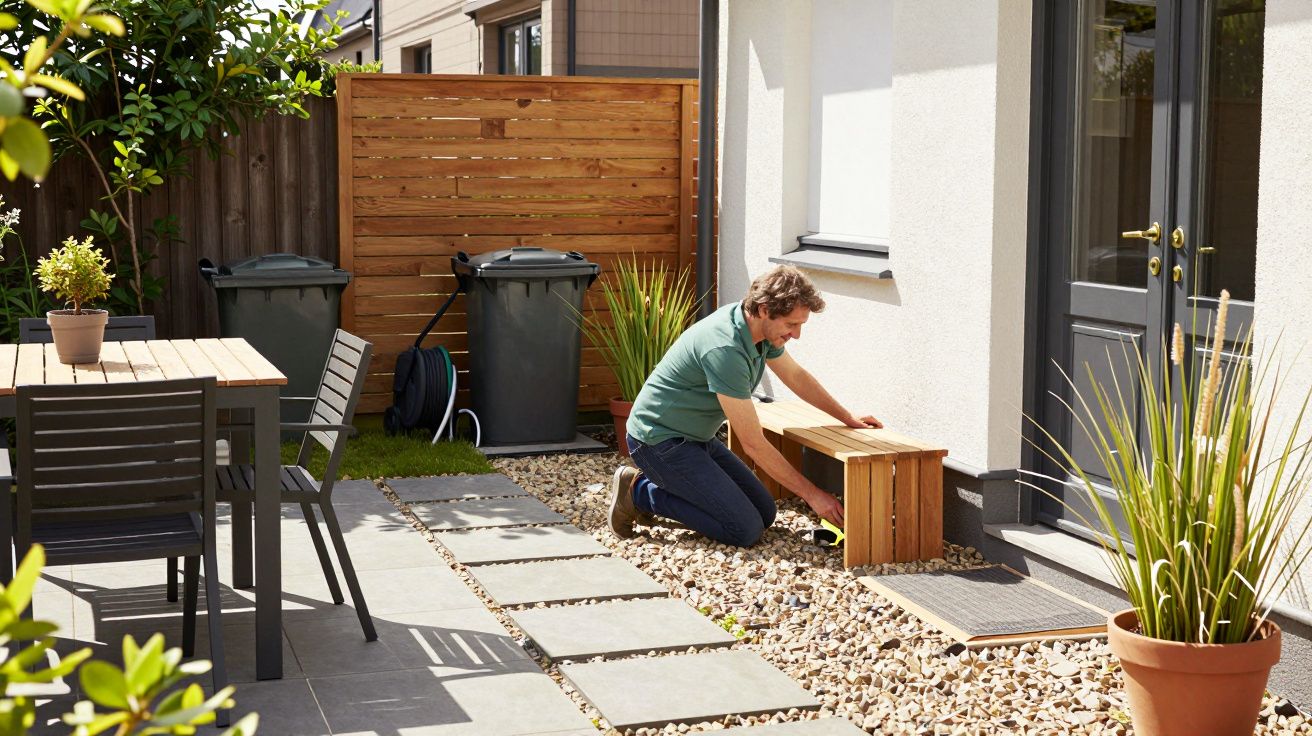
- Use gravel with stabilisation grids instead of fully sealed paving
- Keep a planting strip along at least two boundaries (it changes the whole feel)
- Avoid wall-to-wall artificial grass; use it only where it genuinely solves a problem
- Choose lighter paving colours to reduce heat and glare
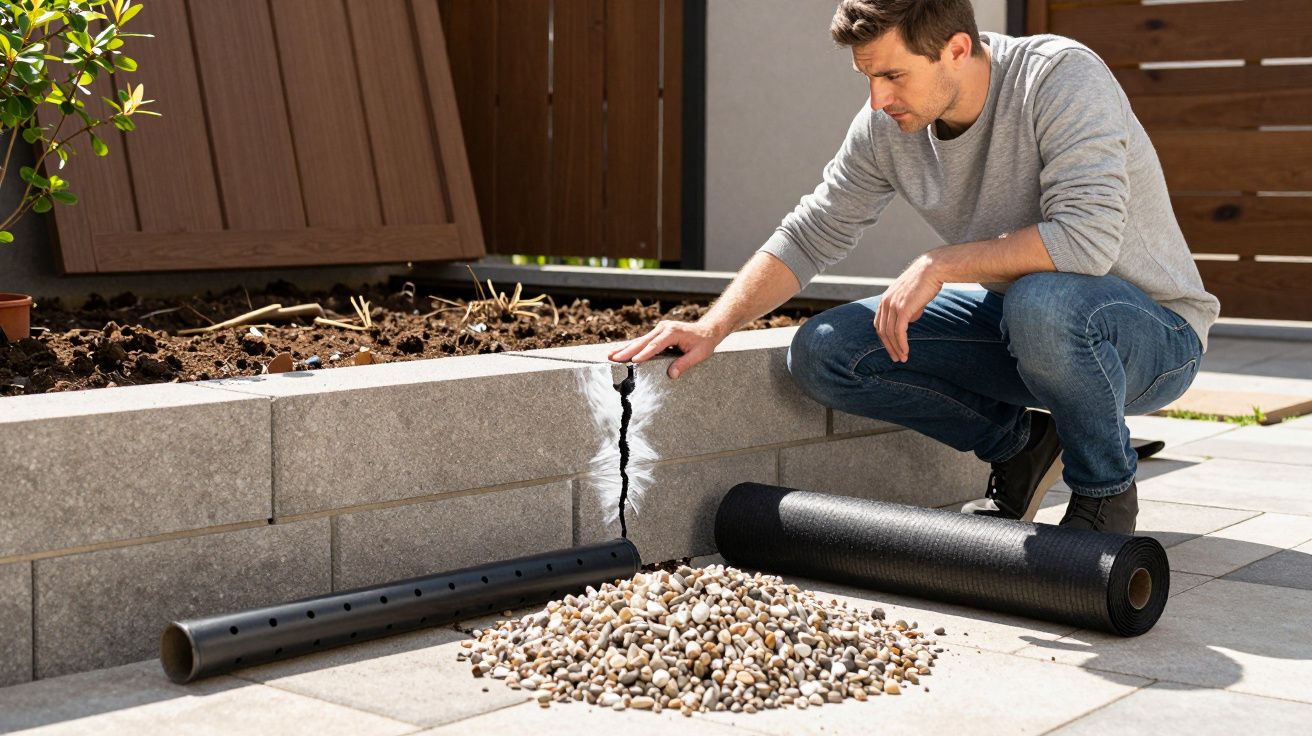
- Build planters that are deep enough to support real shrubs, not just seasonal bedding
Think of it as designing for change. Tastes shift, life changes, and the most liveable urban gardens are the ones that can evolve without a skip on the driveway.
A quick gut-check before you rip everything out
Before the first slab is lifted, ask yourself:
- Do I want to spend weekends cleaning surfaces, or tending plants?
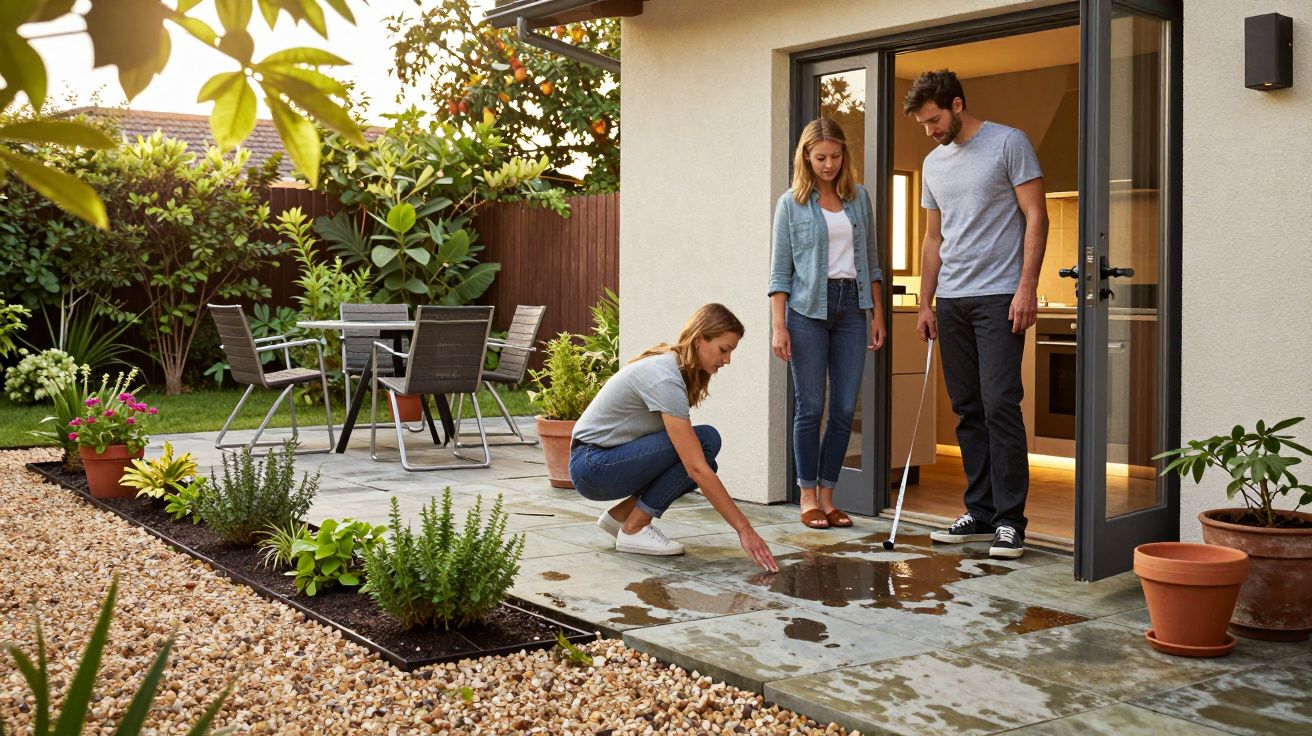
- Where will rainwater go in a downpour?
- Where will shade come from in five years?
- What will this garden feel like on a 28°C day at 7pm?
- If I moved house, would I pay to remove this?
If those questions make you hesitate, that’s not you being indecisive. That’s you noticing that the “everyone wants it” makeover is often built for photos, not for living.
FAQ:
- Do hardscaped gardens ever make sense? Yes-if you need step-free access, have mobility needs, require a durable entertaining area, or you’re solving a genuine drainage/level problem. The issue is going wall-to-wall hard surface by default, not using hard landscaping thoughtfully.
- Is artificial grass always a bad idea? Not always, but it’s often oversold as maintenance-free. It still needs cleaning, can smell with pets, and can contribute to overheating. If you use it, keep it to a limited area and plan for debris removal and occasional sanitising.
- What’s the easiest way to reduce weeding without paving everything? Dense groundcover, a thick mulch layer, and shrinking the amount of bare soil. Weeding is usually a design problem before it’s a “you” problem.
- How do I get a modern look without losing greenery? Use clean edging, repeat a small palette of materials, keep planting simple (fewer species, more repetition), and add vertical structure with climbers and evergreen shrubs. Modern doesn’t have to mean sterile.


Comments (0)
No comments yet. Be the first to comment!
Leave a Comment