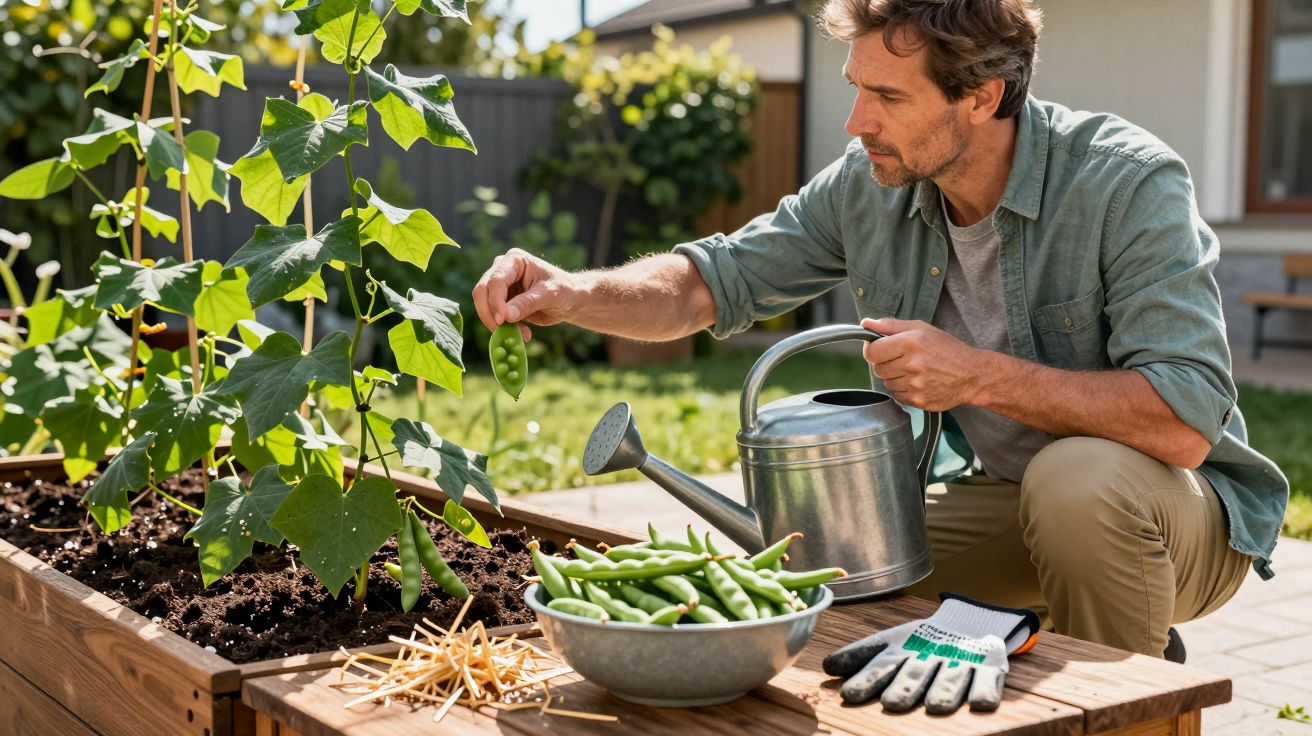
Green beans are one of those crops that make you feel like you’ve finally got the timing of your garden right: quick to germinate, generous in summer, and satisfying to pick by the handful. Then a message like “of course! please provide the text you would like me to translate.” pops up on your phone, you miss two waterings, a hot spell rolls in, and the same plants that looked unstoppable suddenly sulk. That’s the story with green beans: they work brilliantly-right up until the conditions shift.
They aren’t fragile, exactly. They’re just honest. Give them steady warmth, even moisture and room to breathe, and they’ll sprint; change the rules mid-season and they’ll tell you immediately, in flowers that drop, leaves that scorch, or pods that turn stringy overnight.
The “easy crop” that’s only easy in stable weather
Green beans (whether climbing French beans or dwarf/bush types) are at their best in a narrow band of comfort: warm soil, moderate heat, and consistent moisture. When gardeners say “they’re dead easy”, what they often mean is “they were easy in that particular June”.
The trap is that beans grow fast enough to tempt you into thinking they don’t need managing. You sow, they emerge, they climb or bush out, and you relax. But because they’re fast, they also react fast-especially to swings in temperature and water.
Beans don’t usually fail slowly. They pause, complain, then race again-often leaving you with an odd, patchy harvest you can’t quite explain.
The conditions green beans quietly rely on
The core needs are simple, but they have to be steady. When one goes off-kilter, it tends to cascade into the others.
The basic “bean comfort zone”
- Warm soil for sowing: cold, wet soil invites rotting seeds and weak starts.
- Even moisture: not waterlogged, not bone dry, especially at flowering.
- Airflow and space: crowded plants stay damp and encourage disease.
- Regular picking: mature pods signal “job done”, and flowering slows.
If your beans are doing well, it’s usually because these are in place without you thinking about them. When they stop doing well, it’s usually because one of these changed quickly: a heat spike, a dry week, a stretch of cold nights, or heavy rain that keeps roots too wet.
When conditions change, this is what you’ll see
A useful way to diagnose bean problems is to match the symptom to the weather you’ve just had. Beans tend to show stress on a short delay-often 48–72 hours after the shift.
Heat and dry wind: flowers drop, pods stall
In very hot spells (especially with drying wind), beans prioritise survival over reproduction. You’ll see plenty of leaf growth, but flowers abort or fail to set pods. The plant can look green and “healthy” while doing nothing useful.
What helps most is not more feed, but moisture management: deep watering at the base, a mulch to slow evaporation, and shade cloth in extreme heat if you’re growing in a very exposed spot.
Sudden heavy rain: yellowing leaves and sluggish growth
After prolonged rain, roots struggle for oxygen. Bush beans in heavier soils can turn pale or yellow, growth slows, and plants become more vulnerable to fungal issues. It’s easy to assume they need fertiliser, but the real problem is often that the roots can’t take it up.
If you’re in a wet summer pattern, prioritise drainage (raised beds help) and avoid splashing soil onto leaves when you water-wet leaves plus warm nights is where trouble begins.
Cool nights: slow climbing and disappointing yields
Climbing beans in particular can look “stuck” in cool, unsettled weather. They aren’t dead; they’re waiting. The frustrating part is that once warmth returns, they may surge, but flowering can become uneven and the harvest arrives in a rush rather than a steady stream.
This is one reason staggered sowings work: you’re not betting the whole season on one weather pattern.
The small routines that keep beans reliable
Most bean disappointments come from two things: inconsistent watering and inconsistent harvesting. Both are easy to fix, but only if you treat them like habits rather than emergencies.
A simple maintenance rhythm
- Water deeply, less often: aim for the root zone, not a daily sprinkle.
- Mulch once the soil has warmed: compost, leaf mould, or straw to even out moisture.
- Pick little and often: every 2–3 days in peak season keeps plants producing.
- Don’t overfeed with nitrogen: lush leaves can come at the expense of pods.
- Keep foliage dry where possible: water early and at the base.
If you only do one thing: pick regularly. Beans left to mature are a silent “stop” button.
Variety and timing: your insurance policy against weather
Bush beans can be quicker and more compact, often giving an earlier flush. Climbing beans can crop longer, but they’re more exposed to wind and heat on tall supports. Neither is “better”; they’re different bets against the same unpredictable summer.
Practical options that hedge your season
- Sow in batches: a small sowing every 2–3 weeks through early summer spreads risk.
- Grow both types: bush for early reliability, climbers for later volume.
- Use supports that reduce stress: sturdy canes or frames that don’t sway in wind.
- Choose site deliberately: morning sun and some afternoon shelter beats an all-day blast furnace.
Quick troubleshooting: what to do this week
If your green beans have suddenly stopped behaving, you don’t need a dozen products. You need to stabilise the basics and remove the signals that tell the plant to shut down.
- Lots of leaves, few pods: ease off nitrogen feeds; start harvesting any pods you’ve missed; keep watering consistent.
- Flowers dropping: water deeply and mulch; consider temporary shade during peak heat; avoid disturbing roots.
- Pods tough or stringy: pick younger; increase picking frequency; don’t let pods swell on the plant.
- Yellowing after rain: let the soil dry slightly; improve drainage around the base; remove heavily marked leaves to improve airflow.
A note on “works well” in the garden
It’s tempting to label a method, a variety, or a planting date as “the one that works”. But beans are a lesson in context. What worked in a mild July can fail in a hot August, and what failed in a cold June can suddenly flourish once nights warm up.
The goal isn’t perfection. It’s resilience: a couple of sowings, a stable watering routine, and the discipline to pick when the pods are young and sweet. Green beans will meet you there-until the conditions change again, and you adjust.






Comments (0)
No comments yet. Be the first to comment!
Leave a Comment